

Recently, a prominent YouTuber known for promoting the hypergamy wife lifestyle, often referred to as a “trophy wife,” came under fire after revealing the abuse of her daughters in the hands of their father. In some instances, she faced backlash because many linked her drive to pursue a wealthy lifestyle as the cause; while others sympathized with her situation. Out of respect for her children and to minimize the impact this situation might have on them, I will not delve into the SA aspect of this situation. Instead, I will offer my perspective as a woman and mother who has faced challenges. From a Muslimah perspective, her story is not isolated. Many women in hypergamous marriages, especially in cultures where financial dependency is normalized, find themselves vulnerable to abuse. Abuse does not discriminate, and we have seen rich and famous women come forward with their stories of abuse, control, and even addiction to cope with the shame of their experiences, sometimes at the hands of immediate family members. Wealth and success do not guarantee respect, kindness, or emotional security as financial control is a common form of abuse in such relationships, where the husband may use money to dominate his wife, restrict her freedom, or undermine her autonomy.
As a single mother who struggled for a long time to remarry, I understand the complexities of seeking love and companionship while ensuring the well-being of my child. Dating as a single mother comes with unique challenges, often misunderstood by society. Women are frequently left to raise children post-divorce, while men are expected to check in on a schedule. This societal expectation places additional burdens on single mothers, making the vetting process for potential partners even more critical. Regardless of how long one spends getting to know someone, no one is entirely shielded from encountering a potential predator. This risk exists across all social strata, from Hollywood to Nollywood, and can involve anyone from a neighbor to a co-worker, a religious leader, or a politician. Therefore, I am not here to argue whether hypergamy led to her unfortunate marriage. Instead, I aim to highlight how following Islamic principles may offer protection from certain pitfalls.
While abuse exists within the Muslim community, leading with Allah’s guidance helps us navigate life’s tests. Our goal is not to live it free of challenges but to equip ourselves with the tools to overcome temptations, repent when we err, and understand the accountability in all actions. We can also lean on specialists trained in trauma care to support the healing process.
Hypergamy refers to the practice of marrying “up” — typically seeking a partner of higher socioeconomic, educational, or social status. The term originates from the Greek words hyper (over) and gamos (marriage). Historically, hypergamy has been a common feature in many societies, where women were encouraged or expected to marry men of greater financial or social standing to secure economic stability and social mobility. The practice is rooted in evolutionary psychology, with researchers suggesting that women may have historically sought resourceful mates to ensure the survival and well-being of their offspring. While the modern world has seen increasing equality in relationships, hypergamy continues to play a role in partner selection, particularly in cultures or communities where traditional gender roles persist. Hypergamy, the act of marrying up in social status, has been a topic of interest across cultures and eras. The term “trophy wife” often comes into play when discussing hypergamy, especially in modern contexts.
What is Hypergamy?
Hypergamy refers to the practice of seeking a spouse of higher socioeconomic status, whether in terms of wealth, education, or social rank. The word itself is derived from the Greek terms “hyper,” meaning over or above, and “gamos,” meaning marriage. In simpler terms, hypergamy describes the inclination to “marry up” to improve one’s circumstances. The concept is often associated with women due to traditional gender roles and societal structures. Hypergamy reflects a natural human tendency to seek stability, security, and better prospects for future generations. In modern contexts, hypergamy remains relevant, especially in cultures where traditional gender dynamics persist or where financial stability and security are significant factors in choosing a partner. However, it’s also subject to evolving interpretations as women gain greater independence and equal opportunities in education, careers, and social mobility.
Origins of Hypergamy
The concept of hypergamy is deeply rooted in human history, tracing back to ancient societies where marriage played a crucial role in consolidating power, wealth, and alliances.
- In Ancient Civilizations: In early patriarchal societies, marriage was less about romantic compatibility and more about ensuring survival, wealth preservation, and the transfer of resources. Women often had limited opportunities for self-advancement outside of marriage, so marrying into a wealthier or more influential family provided security and upward mobility.
- In feudal Europe, aristocratic women were often married off to men of higher rank to secure political alliances or expand territorial influence.
- In other cultures, caste systems reinforced hypergamy by encouraging women to marry within or above their caste to preserve or elevate their family’s social standing.
Economic Necessity in Patriarchal Systems: In many traditional societies, men controlled wealth and property, leaving women dependent on their fathers or husbands for financial security. Marrying “up” ensured not only personal security but also stability for the next generation. A union with a wealthier or higher-status man could mean better living conditions, access to education for children, and increased social respectability.
Biological and Evolutionary Perspectives: Some researchers argue that hypergamy has biological underpinnings. From an evolutionary standpoint, women might have been more inclined to select partners who could provide resources, protection, and stability, ensuring the survival of their offspring. This instinct might explain why hypergamy remains a recurring theme across diverse cultures and eras.
Modern Hypergamy: Even in today’s world, where gender equality has advanced significantly, hypergamy persists in subtle ways. Modern hypergamy may manifest as preferences for partners with high-paying jobs, advanced degrees, or leadership positions. In some sphere, such mean are coined “high value men” because they ability to provide financial security, offer access to high society, and the capacity to be successful and high earners. Social media and dating platforms have amplified the dynamic of hypergamy, allowing people to evaluate potential partners based on visible indicators of status and success.
Cultural Variations in Hypergamy
Hypergamy is not uniform across cultures. Its expression varies depending on societal norms, economic structures, and cultural expectations:
In Western Societies: As women gain greater financial independence, traditional hypergamous trends are shifting. However, many still prioritize partners who exhibit ambition, financial stability, access to resources.
In Eastern Cultures: Hypergamy often intertwines with family expectations, dowries, and arranged marriages, where aligning families of equal or higher status remains important.
In Modern Urban Areas: In modern urban areas, dual-career households and shifting gender roles have broadened the concept of hypergamy. Today, hypergamy may encompass shared values, education, and emotional compatibility, rather than just financial considerations. Nevertheless, the expectation for men to be providers persists, often manifesting during courtship. Societal norms frequently dictate that men should pay for dates and provide gifts to maintain romantic interest, reflecting the enduring influence of traditional gender roles
Why Hypergamy Endures
Despite societal changes, hypergamy continues to play a role in human relationships for several reasons:
- Economic Stability: Financial security remains a critical factor in marriage. Many women still value partners who can offer stability, especially in uncertain economic climates.
- Cultural Expectations: In many societies, women are encouraged to seek partners who can “take care” of them, perpetuating hypergamous norms.
- Biological Preferences: From a reproductive standpoint, hypergamy aligns with the instinct to ensure the best possible environment for raising children.
- Media Influence: Movies, social media, and advertising often glamorize hypergamous relationships, reinforcing the desirability of wealthy, successful partners.
Islamic Perspective on Hypergamy
In Islam, marriage is highly valued and seen as a mean to achieve spiritual and social harmony. While hypergamy is not explicitly mentioned in Islamic texts, the principles of marriage in Islam emphasize compatibility, mutual respect, and the provision of financial support by the husband.
- Scholars’ Views on Hypergamy
Islamic scholars have diverse views on hypergamy. Some argue that it is permissible as long as it does not lead to excessive materialism or undermine the spiritual and moral foundations of marriage. Others caution against prioritizing social status over religious and ethical considerations. Islam acknowledges hypergamy but regulates it within an ethical framework. Marriage in Islam is not merely a financial transaction or a means of social advancement; it is a sacred bond based on mutual respect, compatibility, and shared faith. Islam encourages marrying someone who is pious, irrespective of their financial or social status. The Prophet Muhammad (peace be upon him) said, “A woman may be married for four reasons: for her wealth, her lineage, her beauty, or her religion. So choose the religious one, or you will be unsuccessful” (Sahih al-Bukhari).
- While financial stability is important, Islam emphasizes that it should not overshadow other critical qualities like character, faith, and the ability to foster a harmonious relationship. Scholars also highlight that both partners should approach marriage with humility and gratitude, recognizing that wealth and status are fleeting, while faith and good character are enduring.
- Islam promotes that men should be the primary providers in marriage to establish a clear framework of responsibility and stability within the family. This stems from the Quranic directive that “Men are the protectors and maintainers of women because Allah has given one more (strength) than the other, and because they support them from their means” (Quran 4:34). This principle ensures that women are not burdened with financial obligations and can focus on other vital roles, such as nurturing the family. By default, this arrangement accommodates hypergamy, as women may naturally seek partners who can fulfill the role of provider. However, Islam emphasizes balance. Hypergamy should not be excessive or superficial. Marrying someone primarily for their wealth or status is discouraged if it compromises essential qualities like faith, character, and compatibility. Islam encourages a holistic approach, where the provider role is one aspect of a broader, faith-centered partnership. For the practicing Muslim, this framework acknowledges natural inclinations while ensuring that financial stability does not overshadow the spiritual and emotional pillars of a successful marriage. Hypergamy, when aligned with Islamic values, supports a harmonious and equitable relationship.
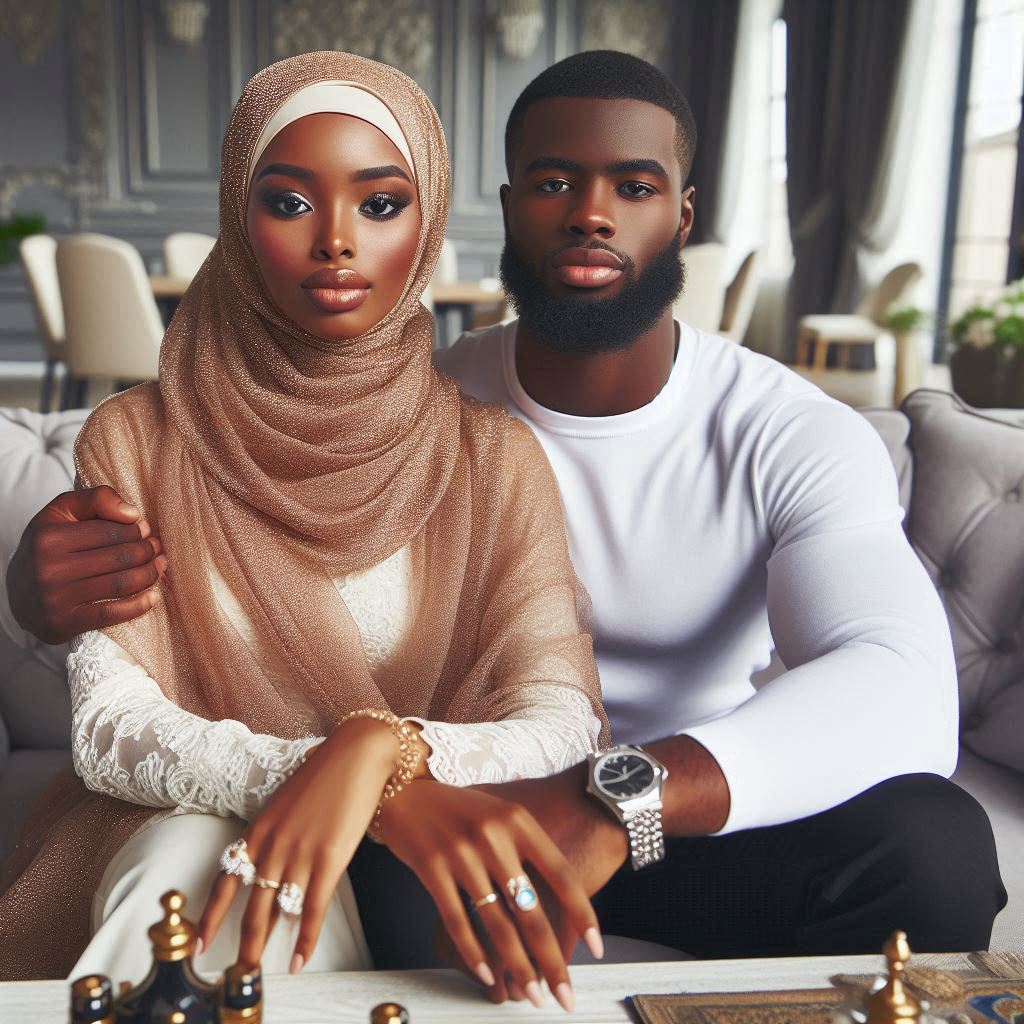
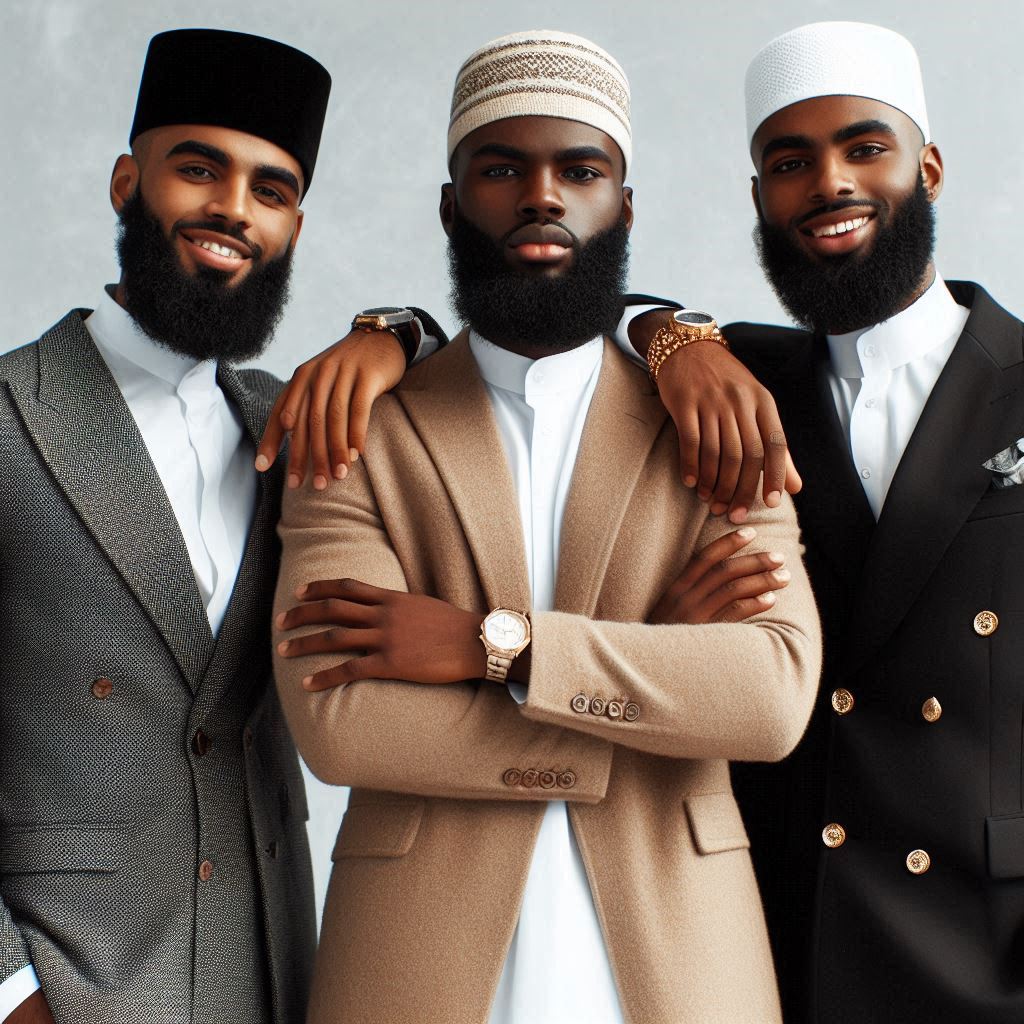
For Men:
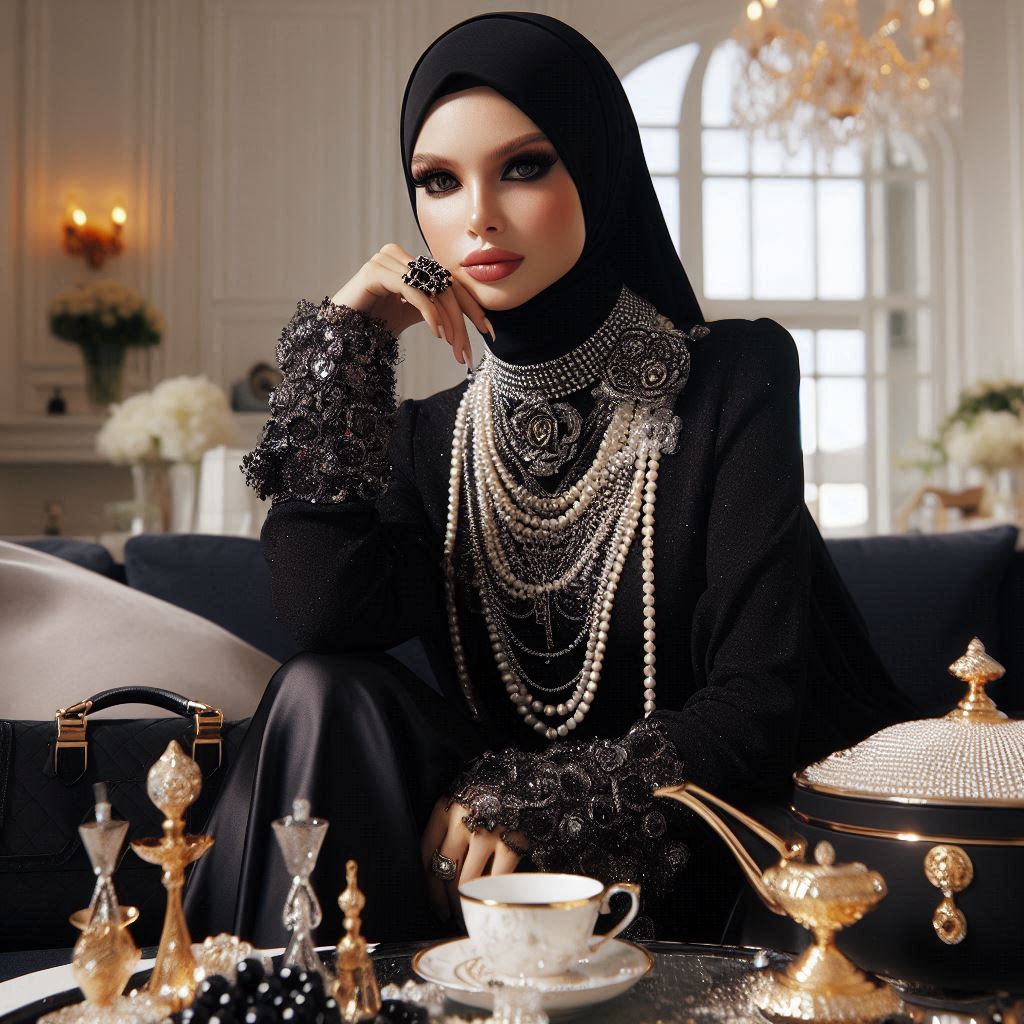
For Women
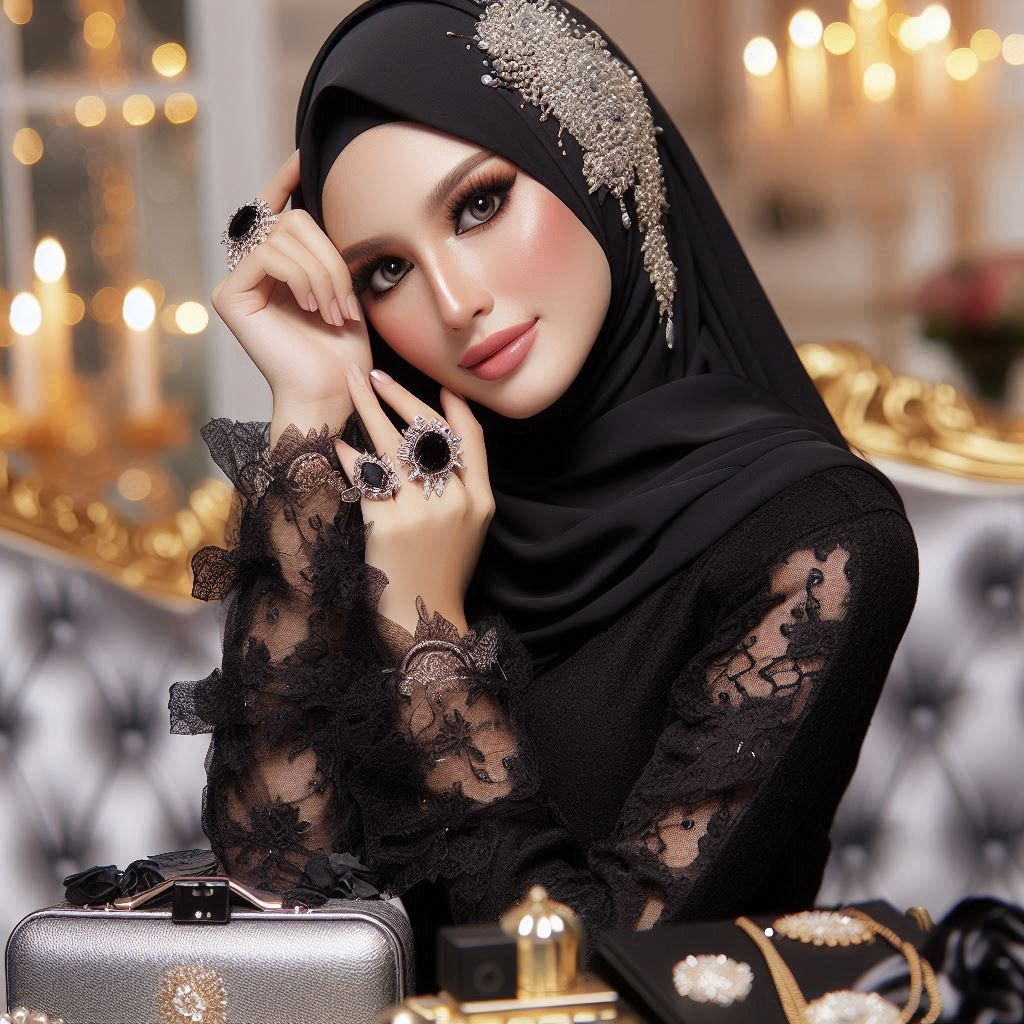
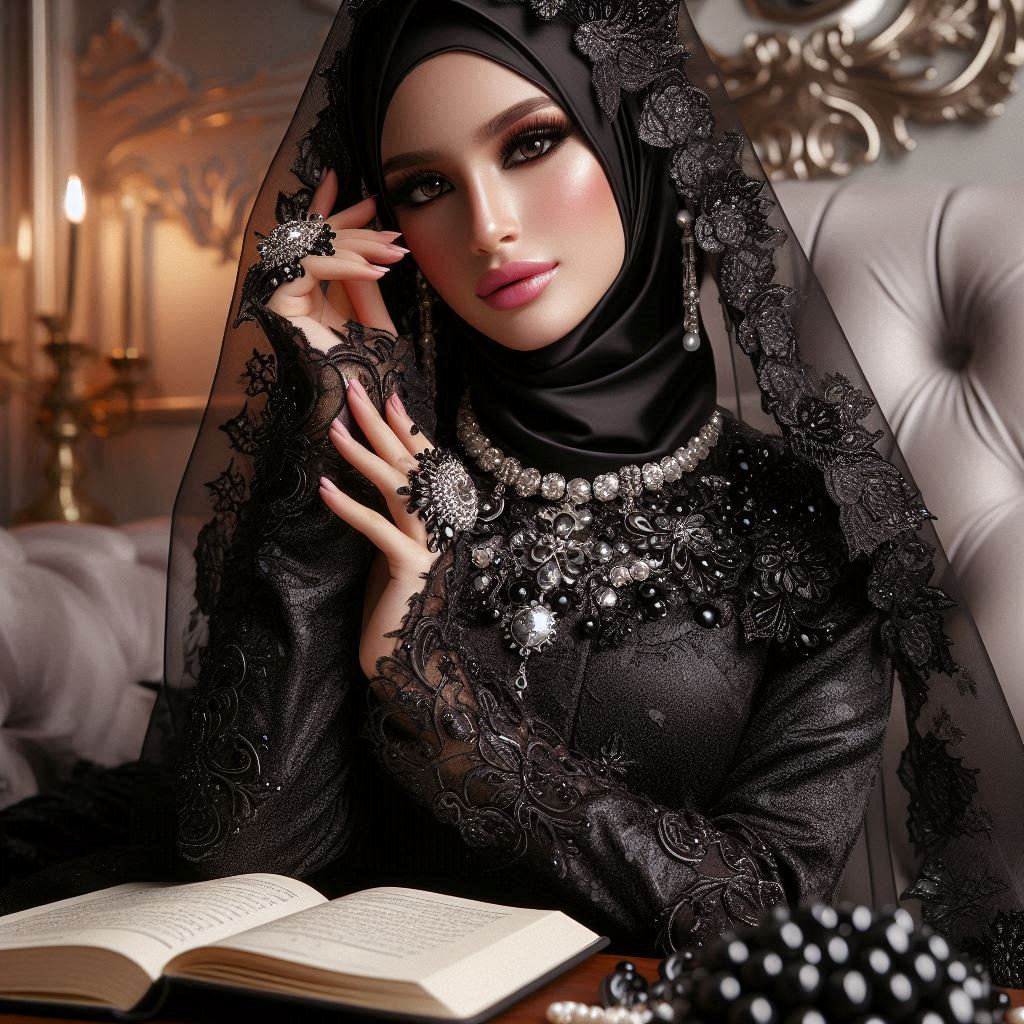
My final thoughts
 BarakaBelle
Leave a comment