

Divorce is one of life’s most challenging transitions, and navigating it in a Western legal system can feel overwhelming, especially for Muslim women. With additional layers of cultural, racial, and legal complexities, Muslim women—particularly immigrants—often face unique hurdles. This blog explores how the Western legal system influences the divorce process, touching on critical aspects such as immigration status, community support, and the role of race, while also offering practical advice for moving forward post-divorce.

Immigrant vs. Nationals: Unequal Footing in the Legal System
One of the first hurdles in navigating divorce as a Muslim woman in the West is the disparity between immigrant and native-born individuals.
Challenges for Immigrants
- Language Barriers: Many immigrant women may struggle with legal jargon or lack access to translation services.
- Dependent Residency: Immigrant women married to citizens or permanent residents often face threats of deportation or visa revocation, used as leverage by abusive or uncooperative spouses.
- Limited Knowledge of Rights: Cultural norms may discourage women from seeking legal recourse, leaving them unaware of their entitlements to custody, spousal support, or property division.
Advantages for Nationals
Native-born women may have greater familiarity with the legal system, access to resources, and community networks. However, systemic biases, such as Islamophobia, can still complicate their cases.

Who Is Your Community?
Community plays a pivotal role in supporting women through divorce. For Muslim women, this often involves navigating overlapping spheres of support: the mosque, family, and local Muslim organizations.
The Role of the Mosque
While mosques can provide spiritual guidance and mediation, they may not always have the resources to address the legal or emotional complexities of divorce. Imams can help facilitate Islamic divorces but might lack training on domestic abuse or child custody issues.
Community Pressure
Many Muslim women face societal pressure to “save face,” which can deter them from seeking divorce, even in cases of abuse or neglect. Balancing cultural expectations with personal well-being requires immense courage.
Finding the Right Support
- Seek out Muslim women’s organizations that specialize in legal and emotional support.
- Build a circle of friends who can provide practical help, such as childcare or attending court hearings.
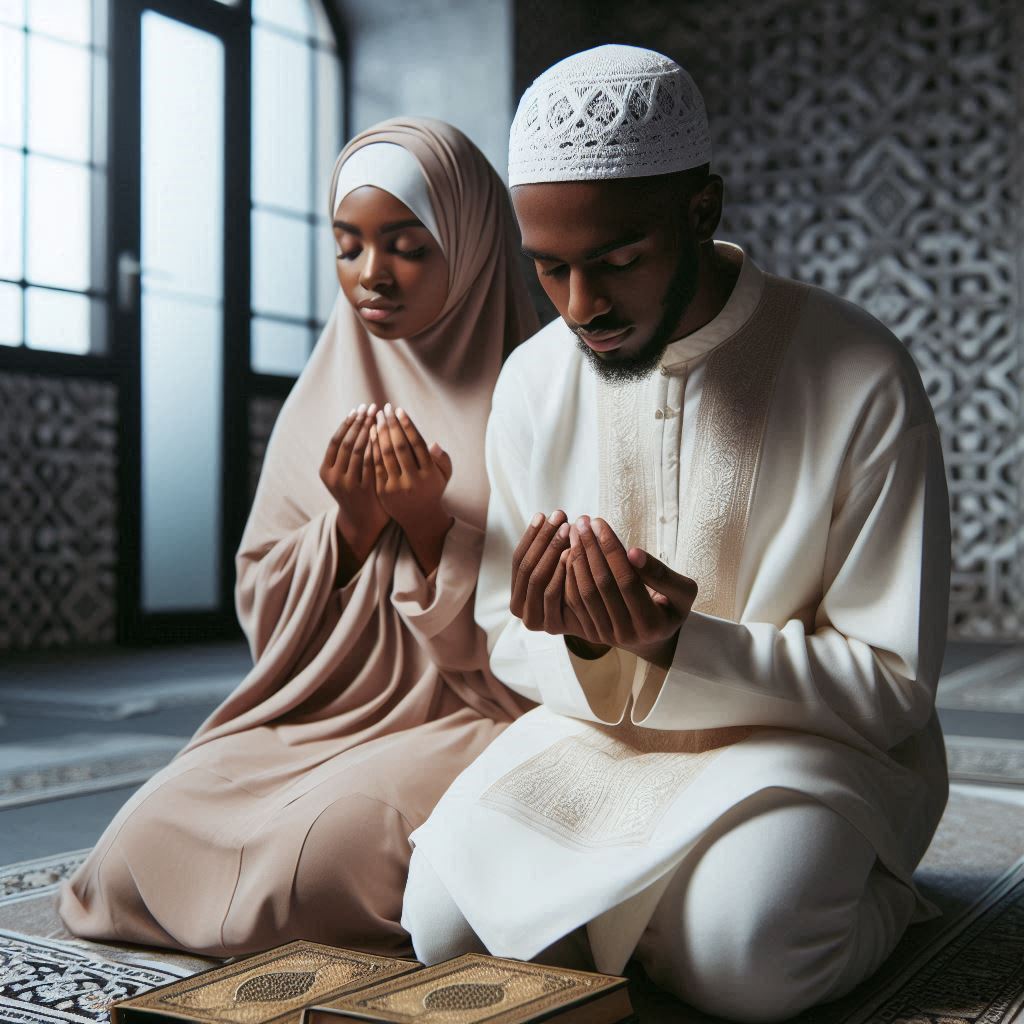
The Role of Race in Divorce Outcomes
Racial biases in the Western legal system can influence divorce proceedings in subtle and overt ways.
Discrimination Against Women of Color
Muslim women, particularly those from Black or South Asian backgrounds, may face prejudice in custody battles, where their parenting capabilities are unfairly scrutinized.
Cultural Stereotypes
Judges or attorneys unfamiliar with Islamic practices may misinterpret cultural norms, such as the hijab, as indicators of oppression or submissiveness. This misunderstanding can unfairly influence custody or financial decisions.
Advocating for Yourself
- Work with lawyers who understand cultural nuances and can challenge stereotypes effectively.
- Present clear evidence of your parenting skills and financial needs, countering any biases you may encounter.

Winner-Take-All: Navigating Property and Custody Battles
Western divorce laws prioritize fairness, but their application can feel like a zero-sum game where one party “wins” at the other’s expense.
Financial Disparities
Women who are homemakers or part-time workers often find themselves at a disadvantage, as the legal system may undervalue their contributions to the marriage.
Custody Challenges
While the legal standard is the “best interests of the child,” fathers who weaponize the system may use tactics like false accusations or manipulation to gain custody.
Islamic Perspective
In Islam, financial maintenance and custody should prioritize fairness and the child’s well-being. If possible, pursue mediation with an Islamic arbitrator alongside legal proceedings.
The Broken Triangle: Protecting Children Post-Divorce
Children often become unintended victims of divorce. Managing their emotional well-being while navigating legal battles requires careful consideration.
Parental Alienation
Divorced fathers may attempt to turn children against their mothers, creating long-term psychological harm.
Balancing Cultures
For Muslim children in the West, divorce can exacerbate identity struggles, as they try to reconcile Islamic values with Western norms.
Actionable Steps
- Enroll in family counseling to help children process the divorce.
- Maintain a consistent Islamic environment to give children stability and a sense of belonging.
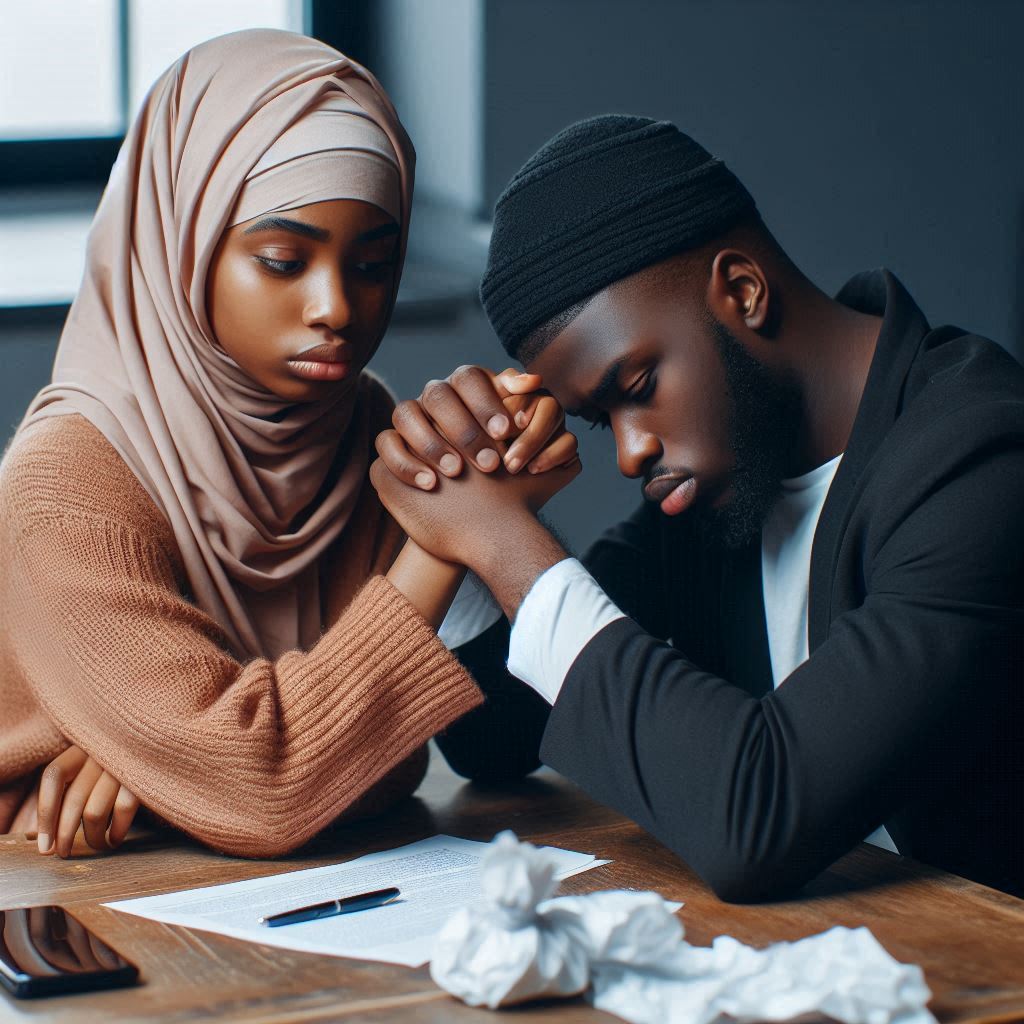
The Path Forward: Healing and Rebuilding
Divorce is not the end—it can be a new beginning. Rebuilding life post-divorce requires spiritual, emotional, and financial healing.
Spiritual Healing
- Tahajjud and Dua: Seek strength and guidance from Allah through night prayers and supplications.
- Islamic Perspective on Divorce: Remember that divorce, while disliked, is permissible in Islam when the marriage no longer serves its purpose.
Emotional Support
- Join support groups for Muslim divorcees to share experiences and gain advice.
- Seek professional therapy to address trauma and build resilience.
Financial Independence
- Invest in skills training or education to re-enter the workforce.
- Work with financial advisors to manage post-divorce finances effectively.

Him as a Non-Mahram: Setting Boundaries Post-Divorce
Once divorced, the ex-husband becomes a non-mahram (a man with whom hijab must be observed). This has profound implications for how interactions should be managed moving forward.
Islamic Guidelines
- Limit interactions to essential matters, such as co-parenting discussions.
- Conduct all communication with decorum, ensuring it aligns with Islamic etiquette.
Practical Tips
- Use mediated communication tools to minimize direct contact if tensions remain high.
- Involve a trusted third party for sensitive discussions.
Conclusion
Navigating divorce in the West as a Muslim woman is undeniably complex, but it is not insurmountable. By understanding the legal system, leveraging community support, and grounding yourself in Islamic principles, you can emerge from the process stronger and more resilient. Remember, your rizq is from Allah, and your ultimate goal is Jannah. With patience, prayer, and preparation, divorce can become a stepping stone toward a brighter future for you and your family.
 BarakaBelle
Leave a comment