
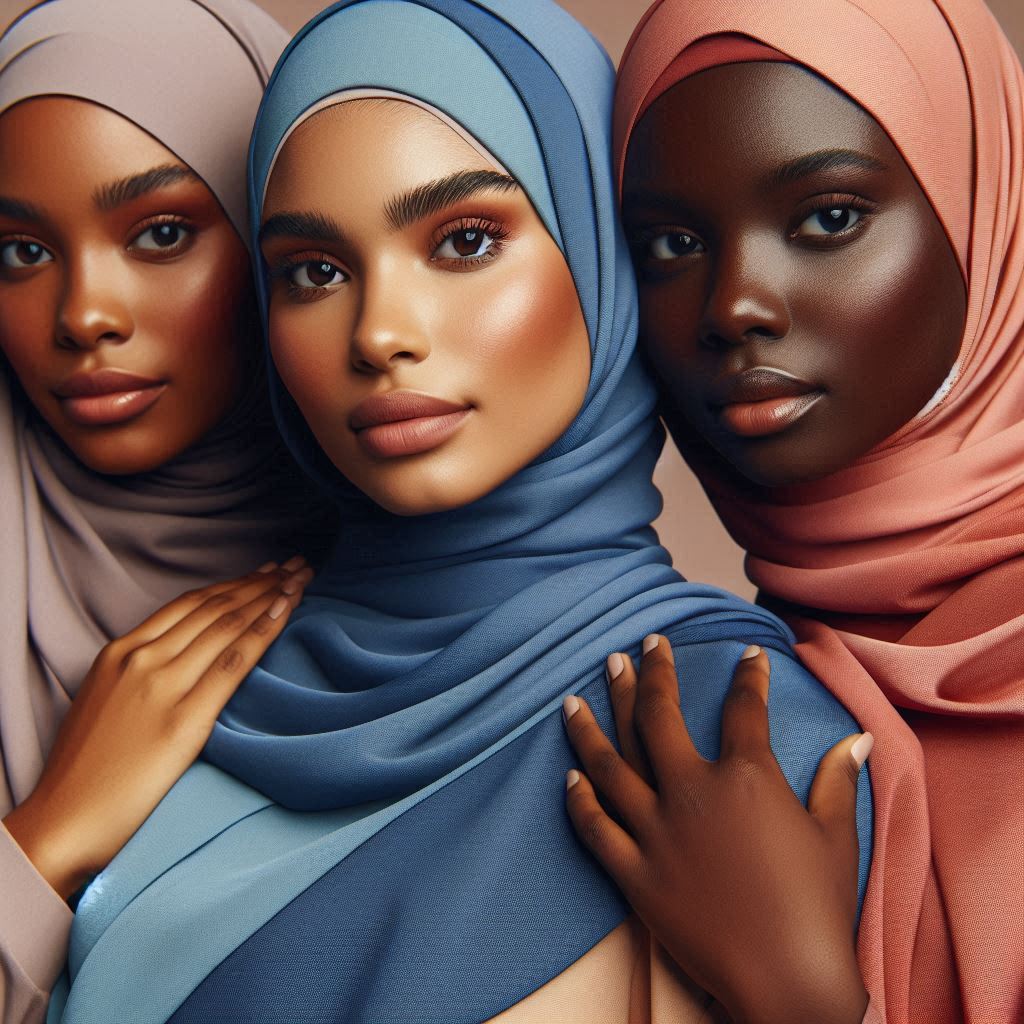
In today’s corporate environment, where conversations about Equity, Diversity, and Inclusion (EDI) dominate policies and practices, Muslim women—particularly hijabis—navigate unique challenges and opportunities. Guided by Islamic principles, the practicing Muslimah remains steadfast and unconfused about her stance on EDI. Through an unwavering reliance on Allah (rizq), a focus on personal accountability, and alignment with the ultimate goal of Jannah, she exemplifies what it means to integrate faith with worldly responsibilities.
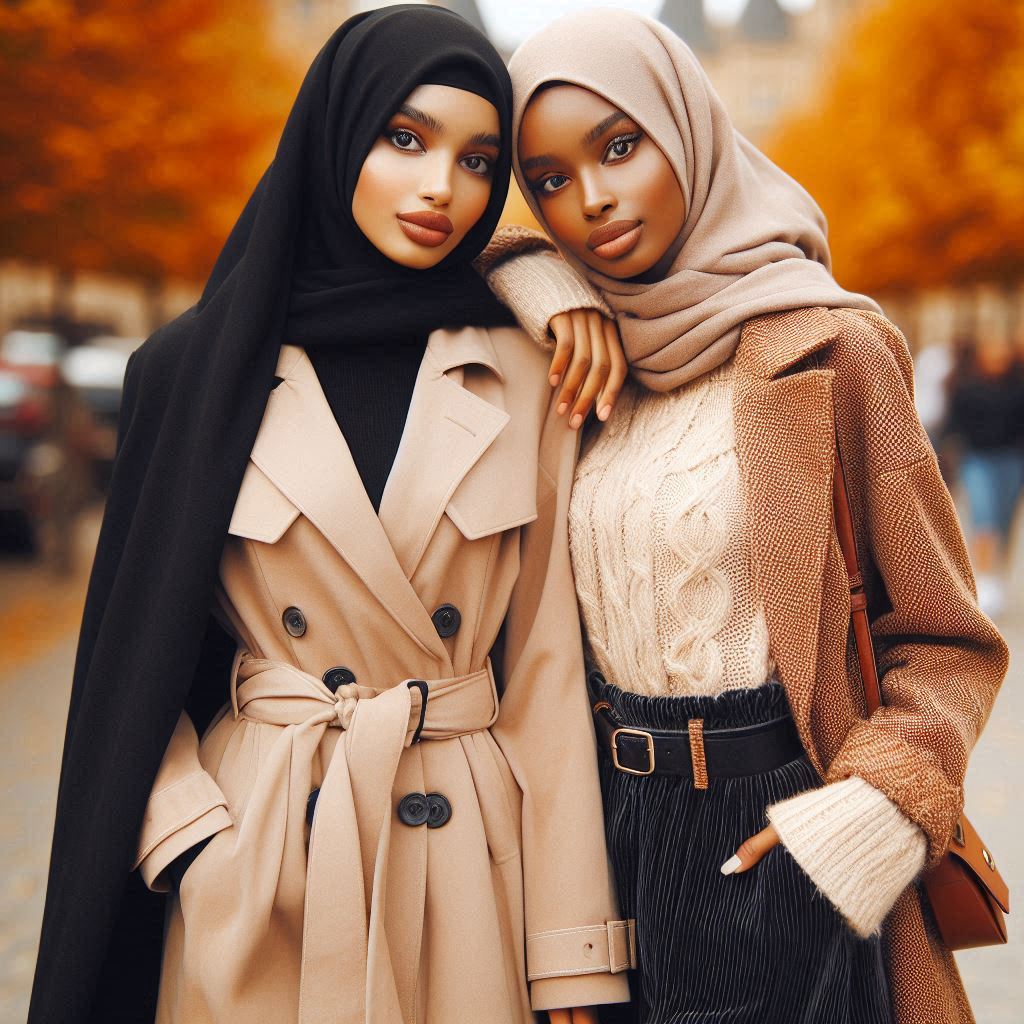
Understanding EDI and Its Origins
Equity, Diversity, and Inclusion initiatives seek to create fair and inclusive workplaces by addressing systemic inequities. The concept of equity ensures that individuals have access to resources based on their needs. Diversity emphasizes representation of varied backgrounds, and inclusion ensures these diverse voices are heard and respected. While modern EDI frameworks are secular, their core principles resonate deeply with the teachings of Islam, which promotes justice, fairness, and dignity for all.
The Quran commands believers to stand firm for justice: “Indeed, Allah commands you to render trusts to whom they are due and when you judge between people to judge with justice…” (Quran 4:58).
The Prophet Muhammad (PBUH) exemplified this through his inclusive treatment of individuals regardless of race, gender, or social status, from Bilal ibn Rabah (RA), an emancipated slave, to the women who actively participated in Islamic society. This historical precedence highlights that the values of equity, diversity, and inclusion are not new—they are intrinsic to Islamic teachings.

The Relevance of EDI for Hijabis in Corporate Spaces
For many hijabis, existing in corporate spaces is not merely about representation—it is about thriving while maintaining faith-based values. The hijab itself becomes a symbol of resistance and identity in a world that often marginalizes visible markers of faith.
Challenges Faced by Hijabis
- Stereotyping: Hijabis often face assumptions about their capabilities or modernity.
- Lack of Representation: Many workplaces lack visible Muslim women in leadership roles.
- Discrimination: Subtle or overt bias, from comments about attire to exclusion from social events.
Islamic Perspective on Navigating These Challenges
Islam teaches that every challenge is a test from Allah. A practicing Muslimah understands that her rizq (provision) is from Allah alone:
“And in the heaven is your provision and whatever you are promised.” (Quran 51:22).
This belief empowers her to navigate challenges with dignity, knowing that no opportunity, promotion, or success will bypass her if it is decreed by Allah.

The Intersection of Deen and EDI
A practicing Muslimah views EDI through the lens of deen. For her, inclusion means creating spaces that respect her Islamic values while promoting mutual understanding.
- Islamic Principles of Justice and Fairness:
- The Quran places immense emphasis on justice, urging believers to be fair even against their own selves (Quran 4:135). This aligns seamlessly with EDI efforts to eradicate bias.
- Diversity as a Sign of Allah’s Creation:
- The Quran celebrates diversity as a sign of Allah’s wisdom:
“And of His signs is the creation of the heavens and the earth and the diversity of your languages and your colors. Indeed, in that are signs for those of knowledge.” (Quran 30:22).
- The Quran celebrates diversity as a sign of Allah’s wisdom:
- Inclusion Rooted in Brotherhood and Sisterhood:
- The Prophet Muhammad (PBUH) emphasized the unity of believers, irrespective of backgrounds:
“A believer to another believer is like a building whose different parts support each other.” (Sahih Bukhari).
- The Prophet Muhammad (PBUH) emphasized the unity of believers, irrespective of backgrounds:
These principles guide the Muslimah to advocate for EDI not for worldly validation but as an act of worship, seeking Allah’s pleasure and justice.

Practical Tips for Building Allyship Within Islamic Guidance
Creating an inclusive workspace for hijabis and other marginalized groups requires allyship and mutual respect. Here’s how practicing Muslimahs can lead by example while adhering to Islamic principles:
1. Start with Intentions (Niyyah)
- Ensure that participation in EDI initiatives stems from a desire to uphold justice and serve Allah.
- Maintain sincerity by aligning all actions with the goal of attaining Jannah.
2. Educate Yourself and Others
- Share the Islamic perspective on equity and inclusion with colleagues.
- Organize or participate in workshops to debunk misconceptions about Islam and hijab.
3. Engage with Respect and Kindness
- The Prophet Muhammad (PBUH) always addressed people with gentleness, even those who opposed him. Follow this example in conversations about inclusion.
- Avoid leading with politics; instead, focus on shared human values.
4. Be Visible but Humble
- Be unapologetic about your identity as a hijabi, but remember to balance confidence with humility.
- Lead by example through hard work, ethical practices, and patience.
5. Seek Blessings Through Tahajjud
- The pre-dawn prayer (Tahajjud) is a powerful way to seek Allah’s guidance and blessings. Pray for wisdom in navigating the workplace and for the success of your colleagues in building an inclusive environment.
6. Collaborate with Allies
- Form alliances with like-minded colleagues who respect diversity.
- Build bridges by advocating for the needs of others alongside your own.
7. Rely on the “What Is Meant for Me Will Never Miss Me” Mindset
- When facing rejection or challenges, remember Allah’s decree. This mindset reduces stress and helps maintain focus on personal and professional growth.

Why the Practicing Muslimah Only Wants It for Jannah
At the heart of all her efforts, a practicing Muslimah remembers that this dunya (world) is temporary. Whether advocating for inclusion or facing workplace challenges, her ultimate goal is Jannah. This focus keeps her grounded and prevents her from compromising her faith for worldly gains.
- Hadith Inspiration: The Prophet (PBUH) said:
“This world is a prison for the believer and a paradise for the disbeliever.” (Sahih Muslim).
By understanding this, the practicing Muslimah views every workplace challenge as an opportunity to strengthen her faith and earn Allah’s pleasure.
The practicing Muslimah is never confused about EDI because her approach is rooted in her deen. She champions equity, diversity, and inclusion not as a trend but as an extension of Islamic values. By embodying justice, kindness, and reliance on Allah, she navigates the corporate world with confidence and grace, leaving a legacy of faith-driven inclusion for others to follow. Through her hijab, conduct, and unwavering faith, she demonstrates that true success lies not in corporate accolades but in attaining Allah’s pleasure and the ultimate reward of Jannah.
 BarakaBelle
Leave a comment