

Navigating the search for a spouse in Islam requires adhering to guidelines that preserve faith, dignity, and respect for Islamic principles. While the concept of “dating” in its Western context is incompatible with Islam, there are permissible ways for Muslims to get to know a potential spouse. This article explores what “dating” means in Islam, provides practical tips for maintaining boundaries, and highlights the wisdom of Islamic scholars on the subject.

What Is Dating in Islam?
In Islam, “dating” as commonly understood—a romantic relationship without commitment—contradicts the principles of modesty and chastity. However, Islam recognizes the need for prospective spouses to get to know each other to ensure compatibility for marriage. This interaction, often referred to as “halal dating,” occurs within strict boundaries to preserve the individual’s integrity and spirituality.
Islamic Guidelines for Interaction
- Purposeful Meetings: Interactions should focus on assessing compatibility for marriage, not casual companionship.
- Chaperoned Settings: A third party, often a family member or trusted friend, should be present to ensure propriety.
- Maintaining Modesty: Conversations and meetings should avoid flirtation and excessive intimacy.
- Avoiding Khalwa (Seclusion): Being alone together, in a setting where misconduct can occur, is prohibited.
Getting to Know Someone While Maintaining Islamic Boundaries
Finding a spouse requires balance—learning about the other person while upholding Islamic ethics. Here are some practical ways to achieve this:
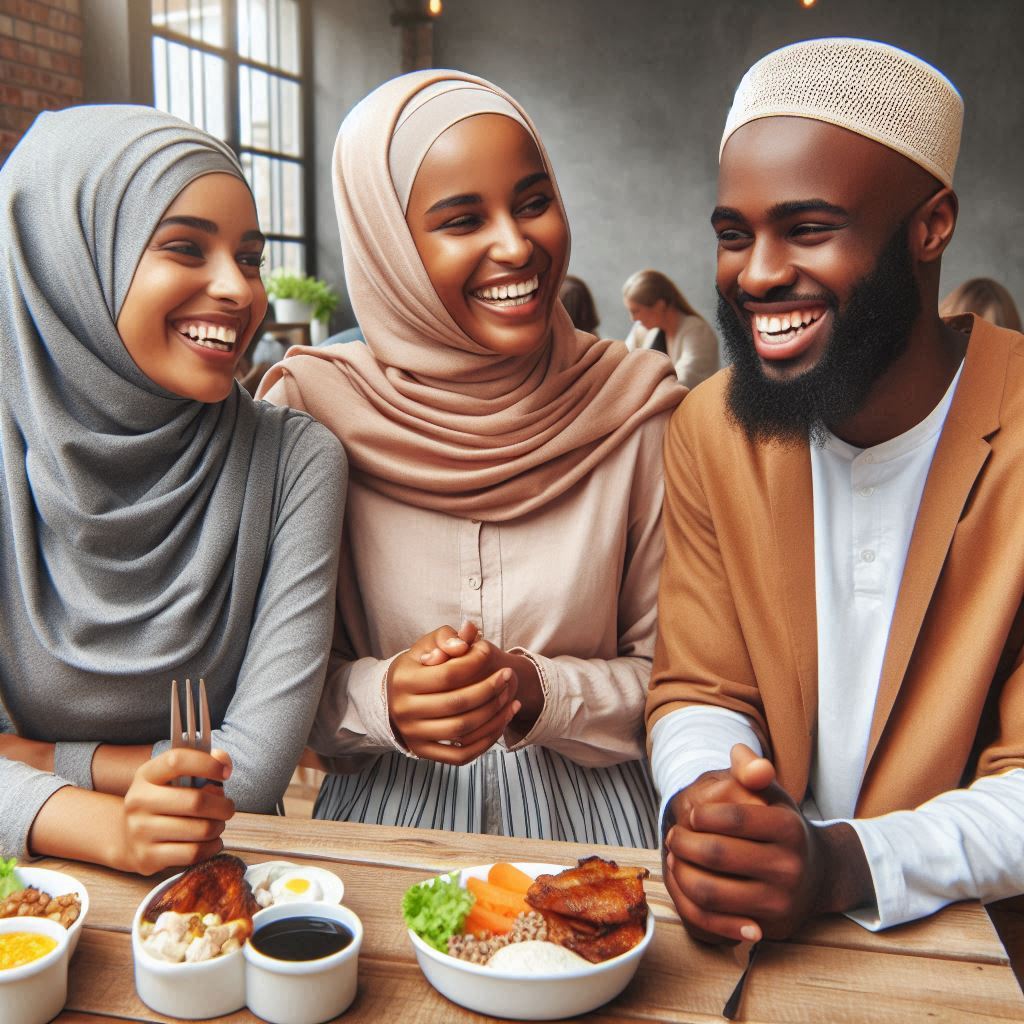
- Group Meetings: Engage in group settings, where family or mutual friends can provide insights about the individual.
- Virtual Communication: Use supervised or moderated online platforms designed for Muslim matrimonial purposes.
- Structured Conversations: Discuss topics like family values, religious practices, career aspirations, and goals for marriage.
- Seek Counsel from a Wali: Involve a guardian or elder for guidance and support throughout the process.
What Do the Scholars Say?
Nouman Ali Khan
Nouman Ali Khan emphasizes the importance of intentionality and respect in pursuing marriage. He encourages Muslims to approach the process with sincerity and involve family early on, stating, “If someone genuinely values you, they won’t hide their intentions from your family.”
Mufti Menk
Mufti Menk advises young Muslims to prioritize compatibility over fleeting attractions. He often states, “Marriage is not about finding someone perfect, but about finding someone whose imperfections you can work with.”
Omar Suleiman
Sheikh Omar Suleiman underscores the role of prayer and seeking Allah’s guidance through Istikhara, saying, “Entrust Allah with your decisions, and you’ll find clarity in the process.”
Bilal Hassam
Bilal Hassam encourages honest and transparent discussions during the process, reminding Muslims, “The foundation of a strong marriage is built on communication and understanding, not pretense.”
Female Scholars
Muslim female scholars stress the importance of mutual respect and shared values. They advocate for women to ensure their voices and needs are heard during the process. A prominent quote is, “A successful marriage begins with clarity, respect, and shared goals for the dunya and Akhirah.”
Tips for Modern Halal Dating
In today’s fast-paced, technology-driven world, Muslims must adapt while adhering to Islamic principles.
- Utilize Matrimonial Apps Wisely: Platforms like Muzmatch or Salams cater to Muslims seeking halal relationships.
- Be Clear About Intentions: Clearly communicate your purpose for marriage from the beginning.
- Prioritize Faith Over Appearance: Focus on a person’s deen (religiosity) and character over superficial traits.
- Set Boundaries: Define limits for conversations and interactions to avoid emotional overattachment.
The Importance of a Background Check
Before committing to marriage, it is essential to gather information about the prospective spouse to ensure compatibility and trustworthiness.
Key Areas to Explore
- Faith and Practice: Assess their dedication to Islamic practices, such as prayer, fasting, and adherence to halal principles.
- Family Dynamics: Understand their family relationships and values, as these will influence your married life.
- Financial Responsibility: Discuss their financial habits, stability, and expectations for joint responsibilities.
- Health and Well-being: Be upfront about any health conditions that may affect the marriage.
Disclosure and Disclaimer
Transparency is a critical element in halal dating. Both parties should disclose key aspects of their lives to ensure trust and mutual understanding.
Health
- Be honest about any medical conditions or mental health challenges.
- Approach sensitive topics with care and understanding.
Wealth
- Discuss financial goals, debts, and career aspirations.
- Ensure alignment on financial responsibilities and lifestyle expectations.
Family Ties
- Share details about your family structure, values, and expectations for family involvement in your married life.
The Road to Jannah
Ultimately, the goal of marriage in Islam is not just companionship in this world but a partnership that leads both spouses closer to Allah and Jannah.
Hadith Inspiration
The Prophet Muhammad (PBUH) said:
“A woman is married for four reasons: her wealth, her lineage, her beauty, and her religion. So, marry the religious woman, or you will lose.” (Sahih Bukhari).
This highlights the importance of prioritizing deen over all else when choosing a spouse.
Halal dating requires intentionality, respect, and adherence to Islamic principles. By focusing on shared faith, mutual respect, and clear communication, Muslims can navigate the path to marriage in a way that aligns with their deen. Remember, this journey is not just about finding a spouse but about building a partnership that will help both individuals achieve success in this world and the next.
 BarakaBelle
Leave a comment