

Dear Sisters (Barakabelles)
Deciding to wear the hijab as an adult is a transformative journey, often filled with unexpected challenges, revelations, and rewards. While this act of faith and submission to Allah brings spiritual fulfillment, it can also unveil societal pressures, internal struggles, and logistical hurdles. In this blog, we explore these experiences, beginning with the Islamic significance of hijab, before delving into the unique aspects of embracing it as an adult.
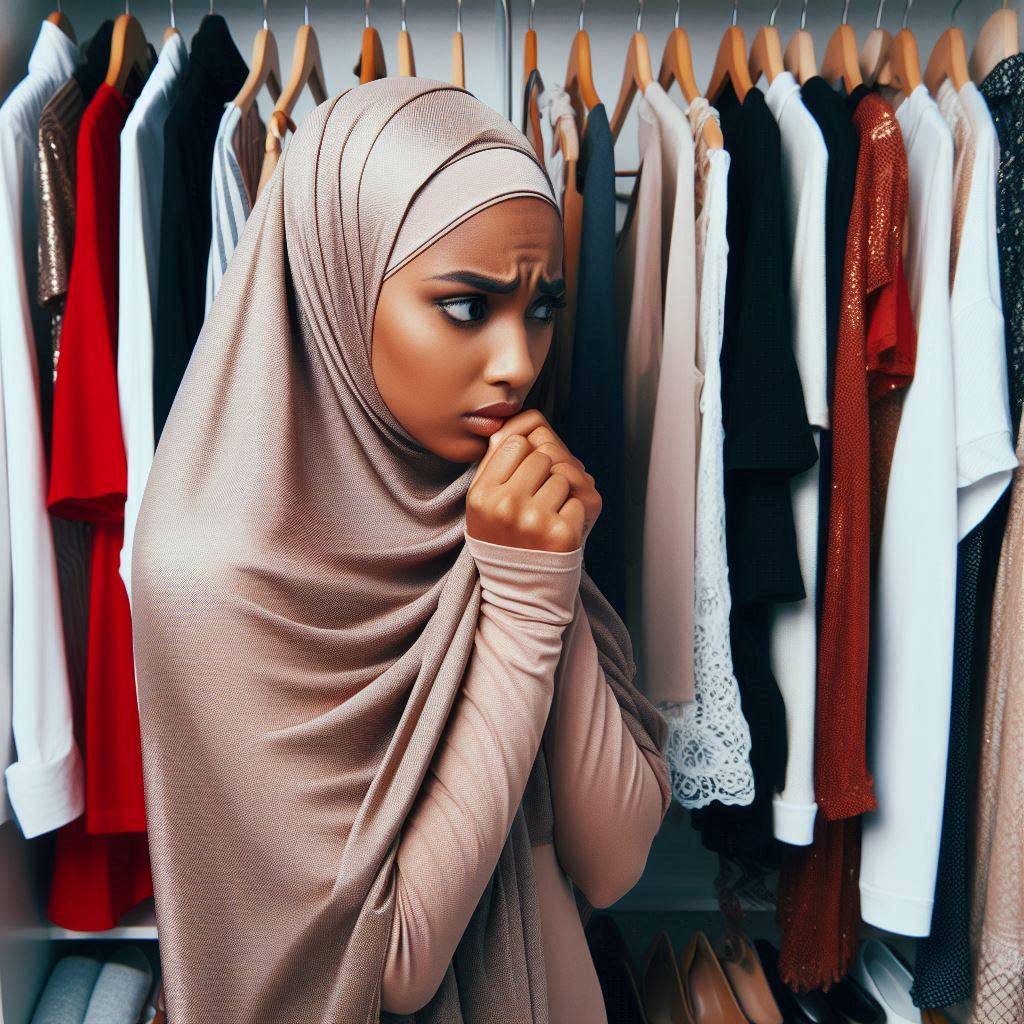
The Importance of Hijab in Islam
The hijab represents more than a piece of cloth; it is a powerful act of worship and a means of spiritual discipline. For Muslim women, wearing the hijab is an expression of obedience to Allah’s commandments and a symbol of modesty, humility, and dignity.
Quranic Verses on Hijab
The Quran explicitly mentions the importance of modesty and veiling:
- Surah An-Nur (24:31):
“And tell the believing women to lower their gaze and guard their chastity and not to reveal their adornments except what normally appears. Let them draw their veils over their chests and not reveal their adornments…” - Surah Al-Ahzab (33:59):
“O Prophet, tell your wives and your daughters and the women of the believers to bring down over themselves [part] of their outer garments. That is more suitable that they will be known and not be abused.”
Hadiths on Modesty
Prophet Muhammad (PBUH) emphasized the value of modesty in both men and women:
- “Modesty is a branch of faith.” (Sahih Bukhari)
- “When a woman reaches the age of puberty, it is not lawful for her to uncover any part of her body except her face and hands.” (Abu Dawood)
Scholarly Insights
- Mufti Menk: Highlights that hijab is a choice rooted in faith, encouraging women to adopt it gradually while strengthening their connection with Allah.
- Nouman Ali Khan: Stresses that hijab should not be reduced to a cultural symbol but viewed as an empowering spiritual practice.
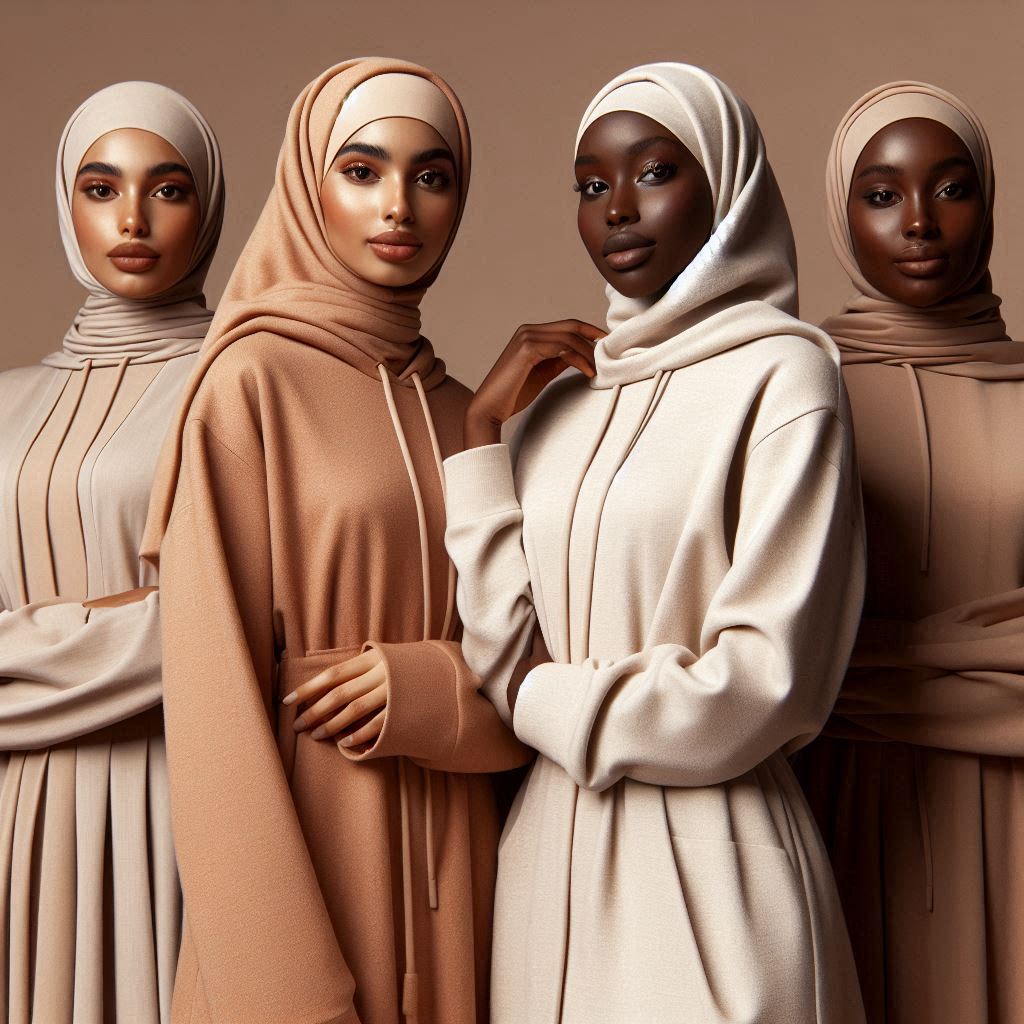
Hijab as a Child vs. Hijab as an Adult
As a Child
Children who grow up wearing the hijab often adapt to it seamlessly, as it becomes an integral part of their identity early on. They experience less societal pushback since they are viewed within the framework of family or community norms.
As an Adult
Adopting the hijab as an adult can be more challenging. Adults must overcome pre-existing habits, navigate societal perceptions, and manage the expectations of family, friends, and professional peers. This late-life shift often invites a mix of encouragement and resistance, making the transition uniquely complex.
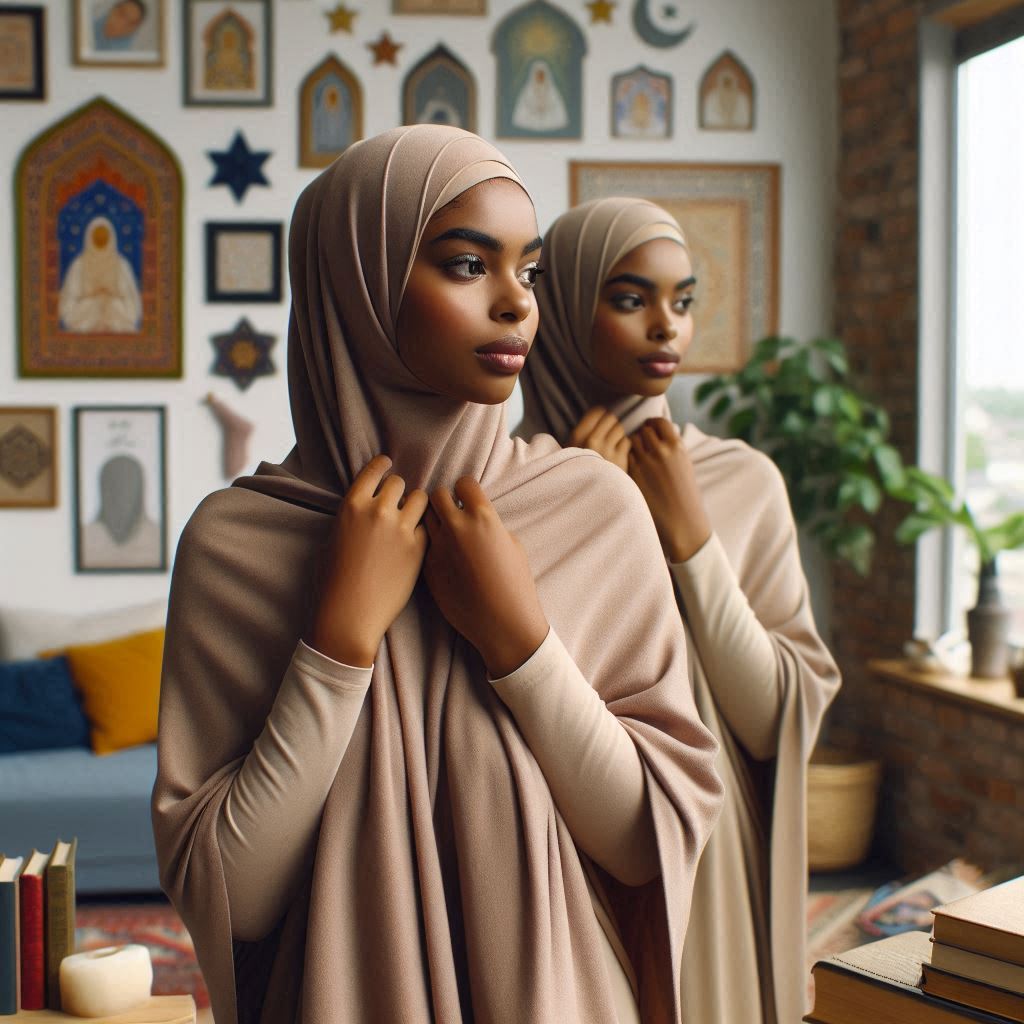
10 Things You Don’t Expect When Starting to Wear a Hijab as an Adult
1. The Impact on Self-Esteem: Feeling Less Beautiful
One of the unexpected challenges is reconciling societal beauty standards with hijab. Many women struggle with the feeling that their attractiveness is diminished.
- Coping Strategy: Remind yourself that true beauty lies in character and piety. Seek self-confidence through prayer and affirmations.
- Scholarly View: “You are not defined by what the world sees; you are defined by your connection to Allah.” — Omar Suleiman
2. The Cost of Transitioning: Revamping Your Wardrobe
Switching to modest clothing often means replacing a significant portion of your wardrobe, which can be financially and emotionally taxing.
- Practical Tip: Transition gradually by pairing existing pieces with hijab-friendly additions like long cardigans, maxi dresses, and scarves.
- Hadith Reminder: The Prophet (PBUH) said, “Allah loves moderation in all things.” (Sunan Ibn Majah)
3. Dealing with Bias: “Hijabis Are Not Intelligent Enough”
Many hijabi women encounter stereotypes about their intellectual or professional capabilities.
- Response: Lead by example, excelling in your field to challenge misconceptions.
- Inspiration: Female scholars like Aisha (RA) exemplify how women in Islam have historically contributed to knowledge and leadership.
4. Receiving Narrow Marriage Proposals
Some women notice that wearing the hijab changes the type of marriage proposals they receive, often limiting them to highly conservative suitors.
- Advice: Be clear about your values and expectations when seeking a spouse. Choose someone who respects your decision to wear the hijab.
- Scholarly Insight: “Choose a spouse who will support your deen, not compromise it.” — Mufti Menk
5. Moments of Doubt
Many women experience moments of doubt, questioning whether they are ready to wear the hijab consistently.
- Overcoming Doubt: Seek support from other hijabi women and engage in dua (supplication) for strength.
- Quranic Inspiration: “Indeed, with hardship [comes] ease.” (Surah Ash-Sharh 94:6)
6. Impact on Career Growth
The workplace can be intimidating for new hijabis, as they may fear discrimination or exclusion.
- Action Plan: Advocate for yourself by demonstrating your competence and building strong relationships with colleagues.
- Legal Reminder: Understand your rights under anti-discrimination laws in your country.
7. The Internal Character Development
Wearing the hijab is not just a physical change—it demands personal growth. Initially, many women may feel a disconnect between their appearance and their behavior.
- Goal: Align your actions with the modesty your hijab represents by avoiding gossip, practicing patience, and engaging in good deeds.
- Scholarly Note: “The outer modesty inspires inner purity.” — Nouman Ali Khan
8. The Lengthy Adjustment Period
Adjusting to wearing the hijab takes time. For some, it may feel uncomfortable or even alienating at first.
- Encouragement: Remember that every struggle for Allah’s sake brings immense rewards. Take the transition one step at a time.
9. The Psychological Weight of Representation
Hijabis often feel they must represent Islam positively, especially in non-Muslim societies. This added pressure can feel overwhelming.
- Advice: Focus on being authentic rather than perfect. Remember, you are an ambassador of your faith, not its sole representative.
10. Strengthening Your Connection to Jannah
Wearing the hijab serves as a daily reminder of your ultimate goal: to please Allah and attain Jannah.
- Spiritual Boost: Incorporate acts of worship like regular salah, Quran recitation, and dhikr (remembrance of Allah) to stay grounded.
- Hadith Reminder: The Prophet (PBUH) said, “Whoever wears something to please Allah, Allah will reward them abundantly.”
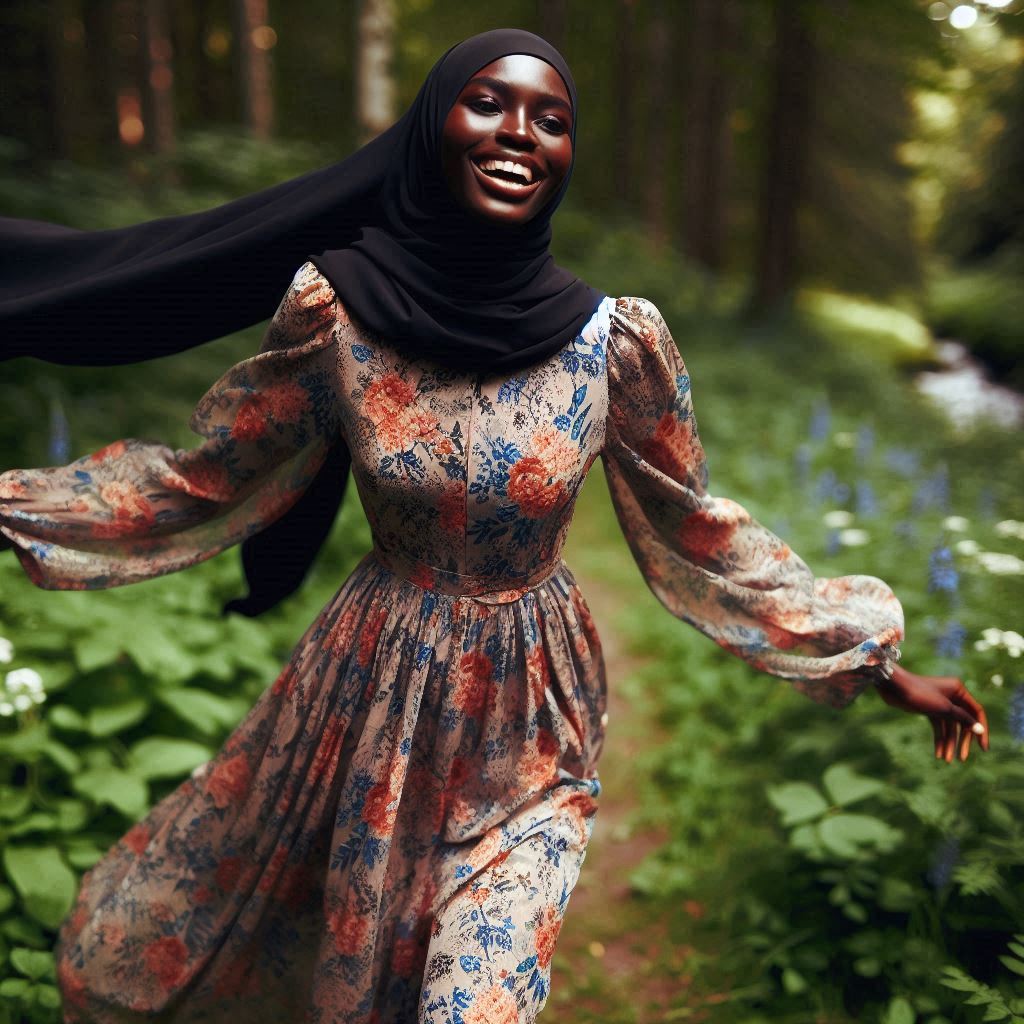
Conclusion
Starting to wear the hijab as an adult is a profound journey that transforms more than your appearance—it reshapes your identity, relationships, and faith. While the path is not without its challenges, the spiritual and personal growth that comes with wearing the hijab makes every step worthwhile. Remember, your journey is uniquely yours, and with every challenge comes a reward. As you navigate this transition, hold tight to the promise of Allah’s guidance and the ultimate goal of Jannah.
 BarakaBelle
Leave a comment