

Dear Sisters (Barakabelles)
Hijrah, historically and spiritually, holds a profound significance in Islam. Originating from the Arabic root “hijr,” which means to abandon or migrate, hijrah marks the pivotal journey of the Prophet Muhammad (PBUH) and his followers from Makkah to Madinah. This migration wasn’t just a physical relocation but a profound act of faith and obedience to Allah’s command. It symbolized the pursuit of a society where Islamic values could flourish without persecution.
In the modern context, the concept of hijrah has evolved to encompass various forms of migration, including Muslim women traveling alone for education, work, or better opportunities in the West. This modern-day hijrah, however, comes with its own set of opportunities and challenges. The need to balance these aspects makes it a critical topic for discussion.
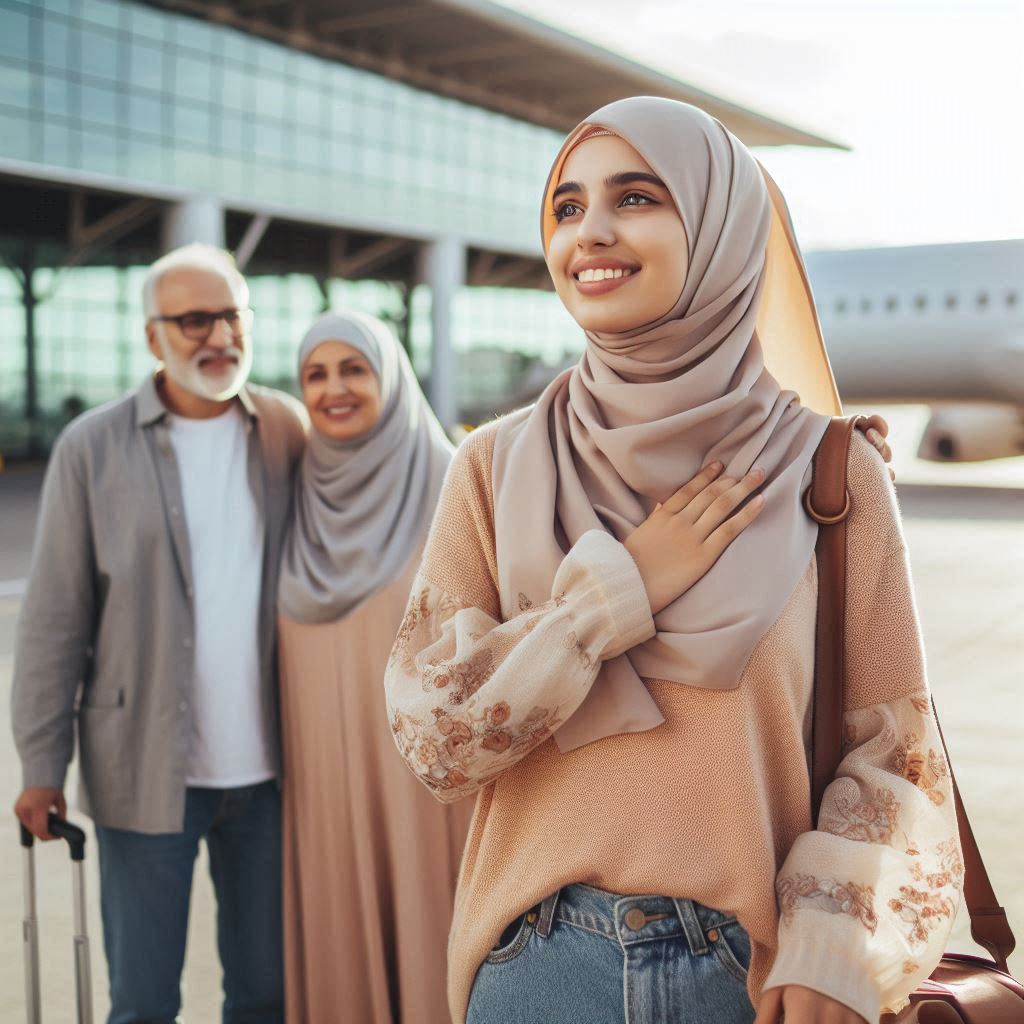
1. The Requirements for Muslimah to Travel Abroad Alone
Traveling abroad alone is a significant decision for any Muslim woman. It involves not only logistical preparations but also adherence to Islamic guidelines. The journey must be approached with the necessary practical and spiritual readiness.
Islamic Guidance on Travel for Women
The Concept of Mahram (Male Guardian) in Travel
In Islam, the concept of mahram refers to a male guardian who accompanies a woman on her travels to ensure her safety and security. This guideline is derived from the teachings of the Prophet Muhammad (PBUH), who emphasized the importance of women being accompanied by a mahram when traveling long distances. The role of the mahram is to protect and support the woman, ensuring she is not exposed to harm or undue hardship.
Exceptions and Scholarly Debates
While the traditional view emphasizes the necessity of a mahram, there are exceptions and scholarly debates on this matter, particularly concerning modern travel for work or study. Scholars like Ibn Taymiyyah have discussed scenarios where it may be permissible for a woman to travel alone if the journey is safe and the purpose is essential. Contemporary scholars, such as Mufti Menk, also acknowledge the evolving nature of travel and the varying circumstances that women face. They emphasize the importance of intention, safety, and adherence to Islamic principles.
Quotes from Islamic Scholars
Ibn Taymiyyah: “If the travel is safe and for a necessity, and if there is no danger to her chastity or religion, she may travel alone.”
Mufti Menk: “We must understand the context of travel today and ensure our sisters are safe and their journey is in line with Islamic values.”
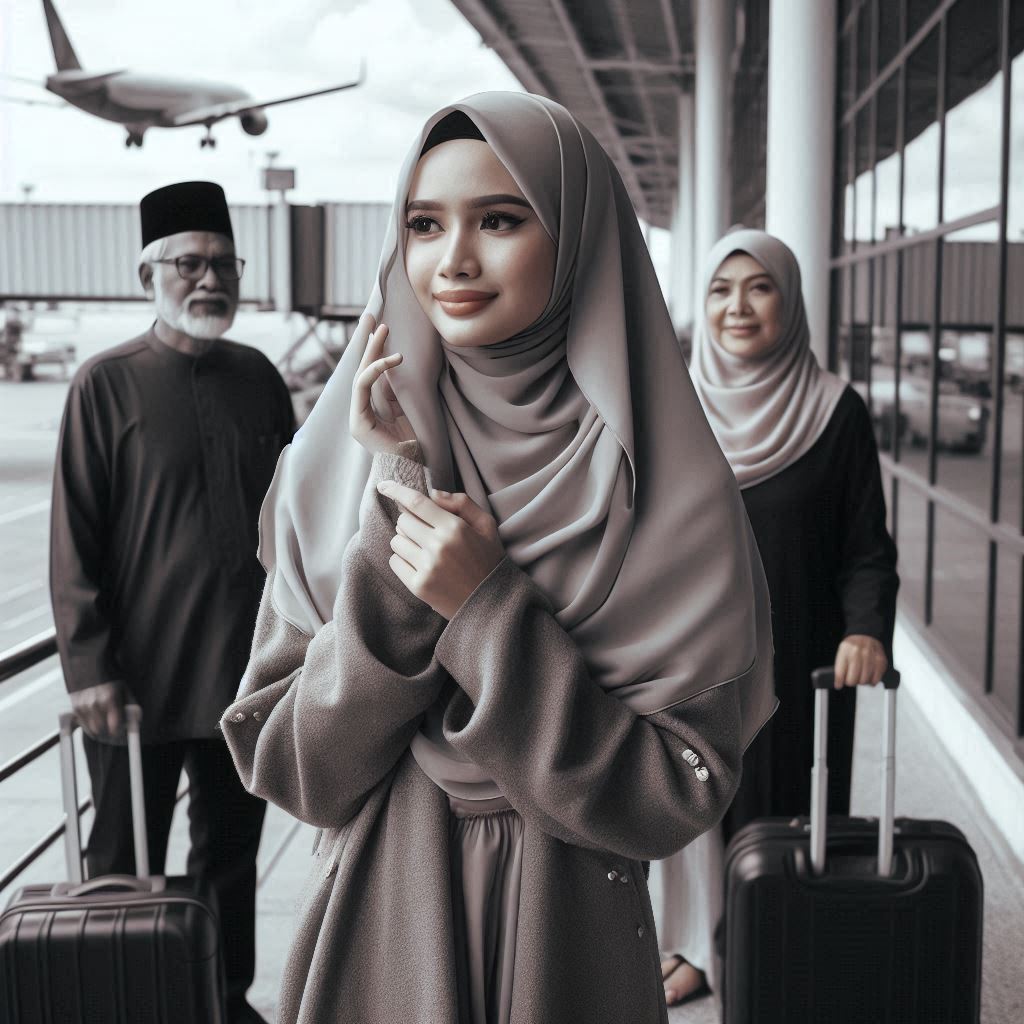
Practical Requirements
Visa and Legal Documentation: One of the primary requirements for traveling abroad is obtaining the necessary visa and legal documentation. This involves applying for the appropriate visa category (student, work, etc.), ensuring your passport is valid, and gathering all required paperwork. It’s essential to research the specific requirements of the destination country and plan accordingly.
Financial Readiness: Financial readiness is crucial for a successful journey. This includes budgeting for education, accommodation, food, transportation, and emergencies. Having a clear financial plan can prevent unexpected hardships and ensure that you can focus on your primary objectives.
Mental Preparation: Traveling alone to a new country can be mentally challenging. It’s essential to prepare for culture shock, loneliness, and maintaining faith in a different environment. Building a support network, staying connected with family, and finding local Islamic communities can help ease the transition and provide much-needed support.
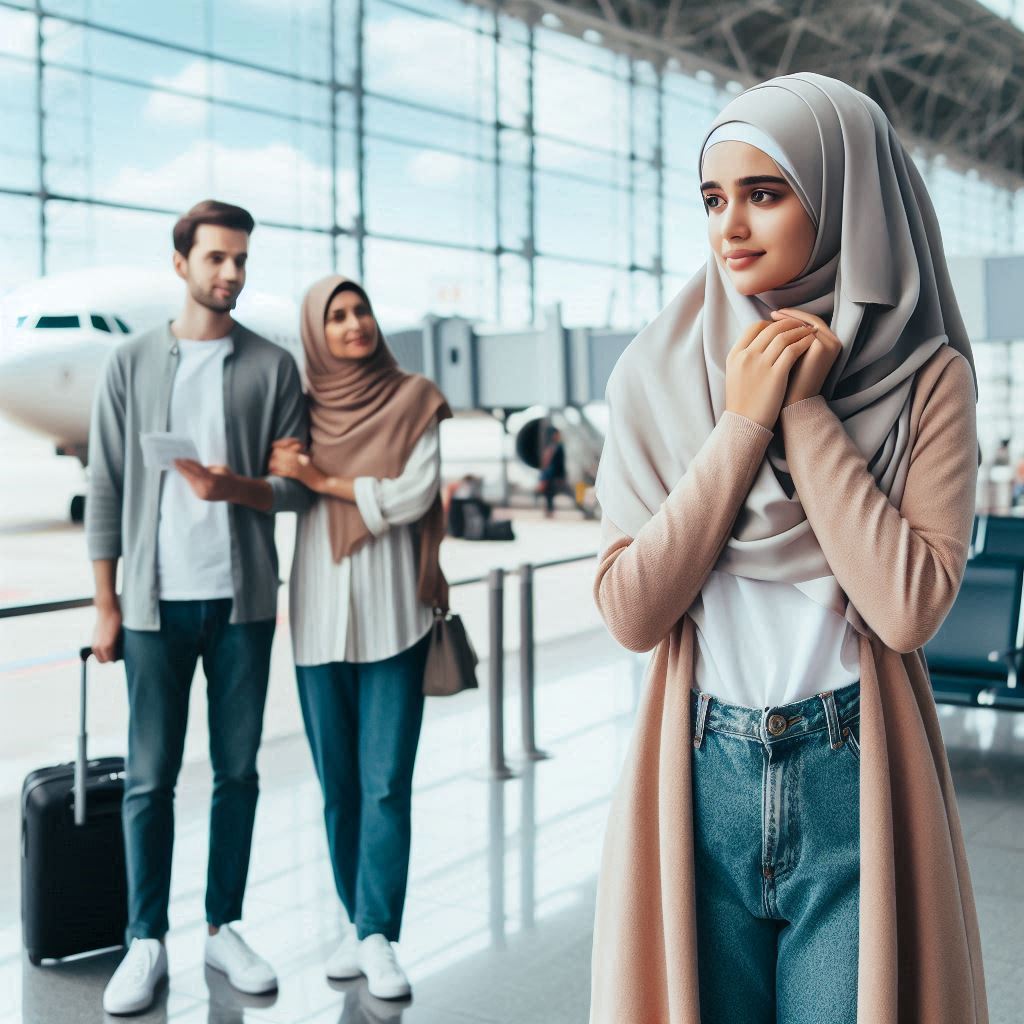
2. Challenges Faced by Muslim Women in the West
Muslim women traveling alone to the West face a unique set of challenges that can impact their financial stability, mental health, and religious practice.
A. Financial Challenges
Tuition Fees, Living Expenses, and Lack of Halal Financial Resources
Tuition fees and living expenses can be significant burdens for students. The lack of halal financial resources, such as interest-free loans, can make it difficult for Muslim women to finance their education without compromising their religious beliefs. It’s crucial to explore scholarship opportunities, seek financial aid, and consider part-time work options that align with Islamic principles.
Limited Halal Job Opportunities
Finding halal job opportunities can be challenging, particularly for students who need flexible work arrangements. It’s important to seek out employers who respect Islamic values and offer positions that do not conflict with religious practices.
B. Mental Health Challenges
Loneliness and Homesickness
Loneliness and homesickness are common challenges for individuals living abroad. Being away from family and familiar surroundings can lead to feelings of isolation and sadness. Establishing a routine, staying in touch with loved ones, and engaging in local activities can help alleviate these feelings.
Culture Shock and Discrimination
Culture shock and discrimination can also affect mental well-being. Adapting to a new culture with different values and norms can be overwhelming. Facing discrimination based on religion or ethnicity can further exacerbate stress. It’s essential to find a support network, seek professional help if needed, and practice self-care to navigate these challenges.
Coping with Societal Pressures to Conform
The pressure to conform to Western norms can be significant, especially when it comes to dress code, social interactions, and lifestyle choices. It’s important to remain steadfast in your faith and values, seeking support from like-minded individuals and communities.
C. Religious Challenges
Maintaining Hijab in Non-Muslim Environments
Maintaining hijab in a non-Muslim environment can be challenging due to societal pressures and potential discrimination. It’s important to stay confident in your choice, educate others about its significance, and find supportive communities that respect your values.
Access to Halal Food and Masjid Facilities
Access to halal food and masjid facilities can vary significantly depending on the location. Researching local resources, joining Islamic groups, and utilizing online platforms can help you find halal options and connect with local masjids.
Struggles with Finding Islamic Companionship and Community
Finding Islamic companionship and community is vital for maintaining faith and well-being. Engaging in local Islamic centers, attending events, and participating in online forums can help you build a supportive network.
3. The Different Muslimah Personas
Muslim women who travel alone to the West often embody different personas based on their motivations and circumstances. Understanding these personas can help in addressing their unique challenges.
A. Boss Babe Muslimah
Characteristics: Independent, ambitious, career-focused.
Challenges: Balancing Islamic values with corporate success.
B. Family Savior Muslimah
Characteristics: Travels to financially support family back home.
Challenges: Guilt, burnout, and feeling unappreciated.
C. Explorer Muslimah
Characteristics: Driven by a desire for adventure and self-discovery.
Challenges: Missteps due to lack of Islamic guidance or experience.

4. 10 Things to Consider Before Sending Daughters Abroad Alone
Before sending daughters abroad alone, it’s essential to consider the potential challenges and prepare them adequately.
1. They Will Most Likely Engage in Haram Relationships: The reality of young Muslim women seeking companionship is natural. It’s important to educate them on navigating halal relationships without parental guidance.
2. They Will Be Victims of Abuse: Traveling alone makes women vulnerable to emotional, financial, or physical abuse. Teaching self-defense and awareness is crucial.
3. They Will Resent You in the Long Term: The emotional burden of being sent away for study or work without a support system can strain family ties.
4. They Will Marry the Wrong Man: The risk of making rushed marital decisions without family oversight is significant. Guidance and support are essential.
5. They Will Struggle to Make It: Real-life examples of financial instability and academic failures highlight the need for proper preparation and support.
6. The Diaspora Community Is Often Not Reliable: Integrating into local Muslim communities can be challenging, and not all diasporic groups provide genuine support.
7. The Mosque Is Just a Mosque: Limited resources and accessibility to mosques for young women can be a hurdle. Finding alternative means of spiritual support is important.
8. You Share Some of Their Sins: Parents are accountable for decisions that lead children away from Islamic values. Ensuring proper guidance is critical.
9. The Immigration System Is Brutal: Visa rejections, work permit limitations, and legal struggles can be harsh realities. Proper planning and legal advice are necessary.
10. They Will Have Mental Health Issues: The long-term effects of isolation, stress, and societal pressures can impact mental health. Providing emotional support and resources is essential.
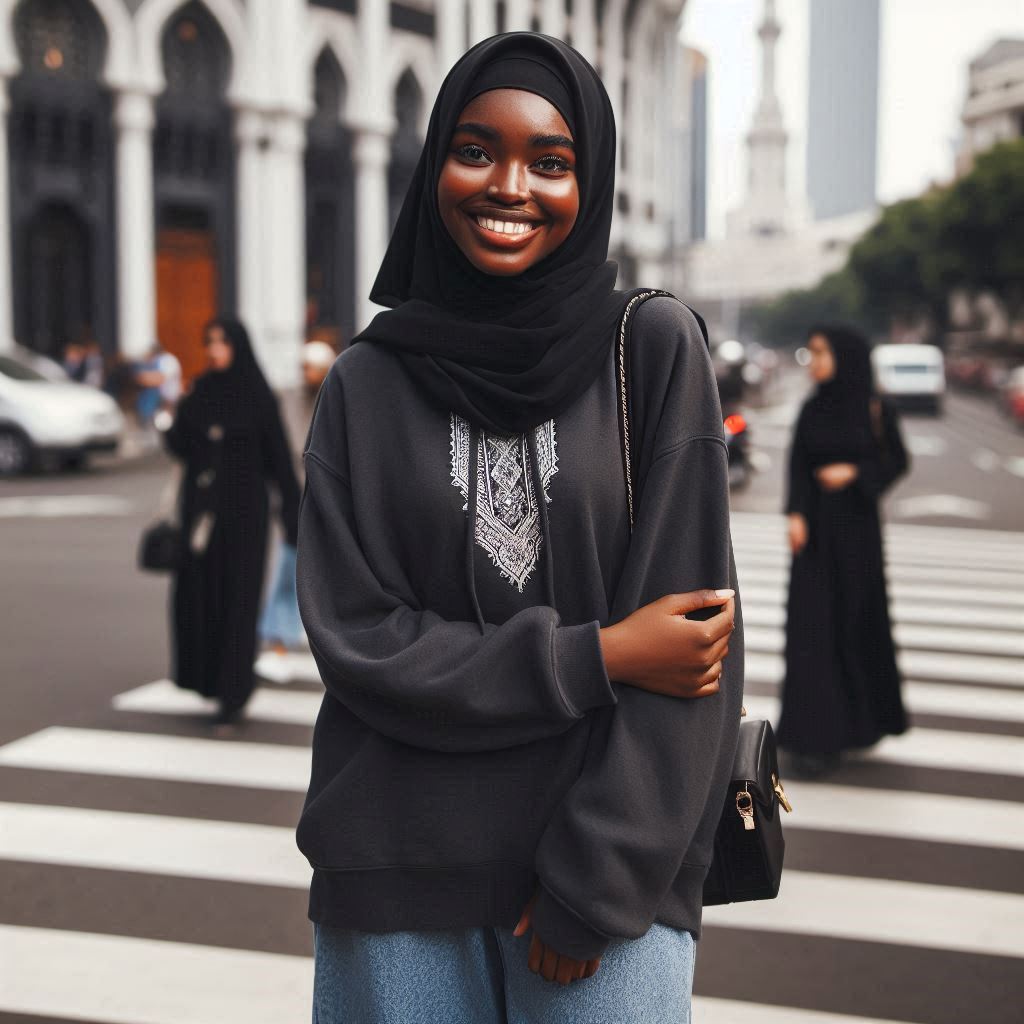
5. Alternatives to Sending Daughters Abroad Alone
Instead of sending daughters abroad alone, consider these alternatives:
1. Raise Your Daughters Following Allah’s Commands: Instilling strong Islamic values and resilience from an early age can prepare them for the challenges of life.
2. You Are the Provider and Protector as Parents: Parents have the Islamic responsibility to provide financially and emotionally for their daughters.
3. Help Them Get Married to Righteous Men: Marriage can serve as a protective measure. Supporting their education or work while married is beneficial.
4. Hijrah with a Wali: Encouraging travel accompanied by a trusted mahram or within Islamic frameworks ensures safety and compliance with Islamic principles.
5. Jannah Should Be the Goal: Prioritizing eternal success over worldly ambitions is crucial. Teaching daughters to weigh opportunities against Islamic values ensures they remain on the path to Jannah.
In conclusion, the journey of a Muslimah making hijrah to the West alone is filled with opportunities and challenges. By adhering to Islamic principles, preparing adequately, and seeking support, it is possible to navigate this journey successfully. It’s important to prioritize Islamic values and ensure that decisions about study or work abroad are made with careful consideration and faith. Building a balanced, faithful, and successful path for Muslim women embarking on such journeys is achievable with the right guidance and support.
 BarakaBelle
Leave a comment