
Dear Sisters (Barakabelles),
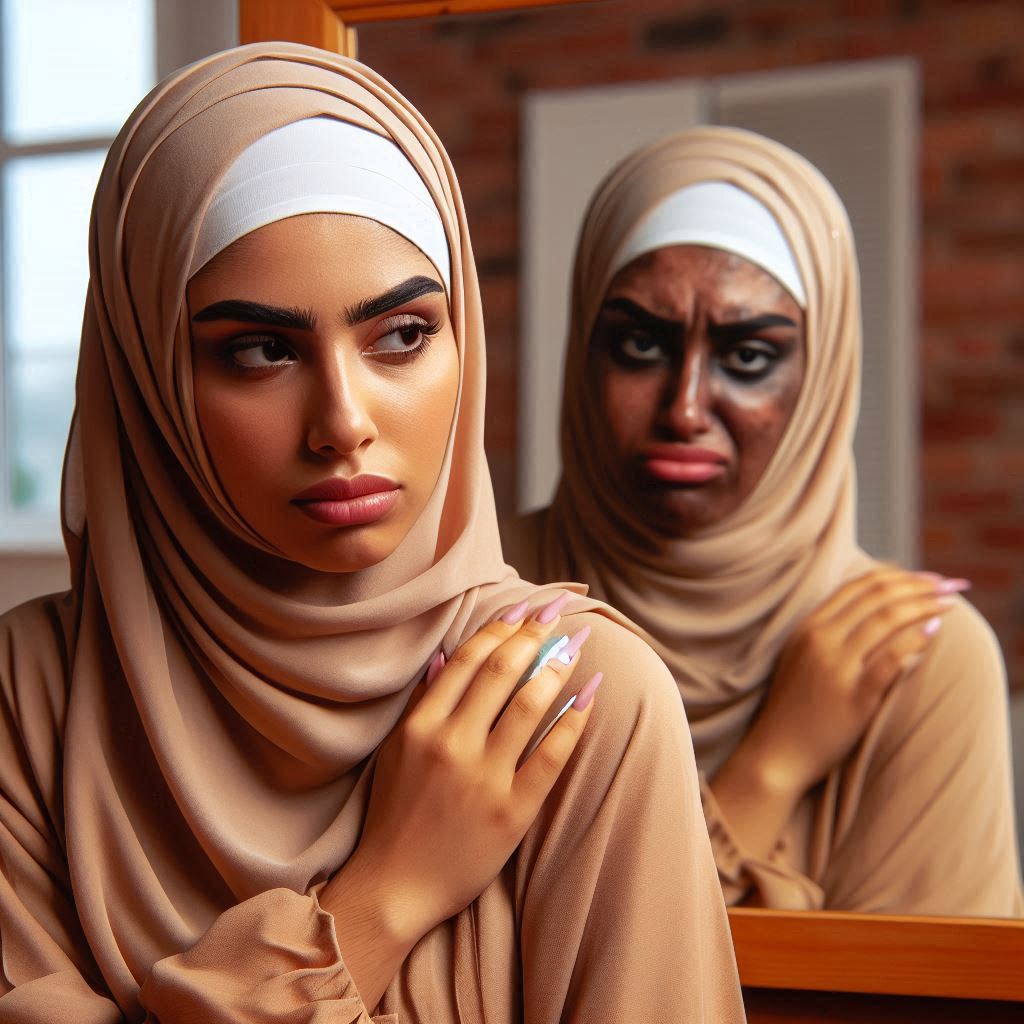
In Islam, beauty is a multifaceted concept that encompasses not just physical appearance, but also inner beauty, modesty, and spirituality. True beauty in the Islamic context is a reflection of one’s closeness to Allah (SWT) and adherence to Islamic principles. One of the biggest challenges we currently face is the prevalence of un-Islamic practices of self-display and lifestyle showcasing with the rise of social media. Without a doubt, we are entering a zone of degradation that requires Muslim scholars to educate us on the harm of these trends on social media.
Let me be clear, I am not a Muslim scholar. In fact, like many Muslimahs fortunate enough to be born Muslim, I have benefited from a Western education more than an Islamic one. Although I am on a path to learning my deen (faith), I will not take on the role of an Islamic scholar or pretend to be one. However, it does not require a Ph.D. in Islamic studies to critically assess the prevalence of unethical behavior among our sisters on social media. The rise of a new trend of Muslim YouTube creators leveraging trauma bonding to “cry” on videos while providing dramatic stories to garner sympathy, increase views, monetize their drama, and bash their husbands is concerning. No matter how we label this behavior, it is nothing to be proud of and certainly should not be imitated. Common sense, a few chapters of the Quran, and binge-watching Islamic lectures can make us all realize that we are swimming in sins on social media. Let me be clear, there is no Jack coming to the rescue as we sink in this Titanic, and if there is, he probably will be the precursor of Dajjal.
Understanding the Modern Dilemma
It is my understanding that my Muslimah sisters who are content creators and influencers in the area of beauty and fashion may not fully grasp the dangerous state we may be in. Although we benefit from modern technology that allows us to enhance ourselves and showcase borrowed physical attributes enhanced by makeup for a few hours online, the very thing we seek from these behaviors (beauty) is being robbed from us because of the sins that embellish it.
In today’s lifestyle blog, my aim is to explore how sins impact both inner and outer beauty, identify the top sins common among Muslim women, and offer actionable ways to avoid them. We will delve into the Islamic concept of nūr (spiritual light) and how maintaining Iman (faith) enhances a Muslimah’s natural beauty. Finally, we will offer practical tips to embrace an Islamic perspective of beauty beyond modern societal standards.
Personal Reflection
Let me start by confessing that I am not what would fit within the standard beauty of Western society. I am a dark-skinned, average-looking black woman with 4C hair, and nothing in my facial features that makes people look at me twice. Hence, I am not the type of beautiful woman that makes a man sin because he forgot to lower his gaze when I walk into the room. I guess that is a consolation that my “beauty” is not making men sin. However, I am 100% sure that 30 minutes with a makeup palette will get me there, but I do not want to. Islamic teachings emphasize that beauty is a divine blessing and a reflection of one’s spiritual state. The Quran and Hadith provide numerous references to beauty, highlighting its significance and the importance of maintaining it through righteous actions and faith. Therefore, we should not concern ourselves with being perceived as not “beautiful” as long as we are observing Islamic guidance and following our deen.
Defining Beauty in the Islamic Context
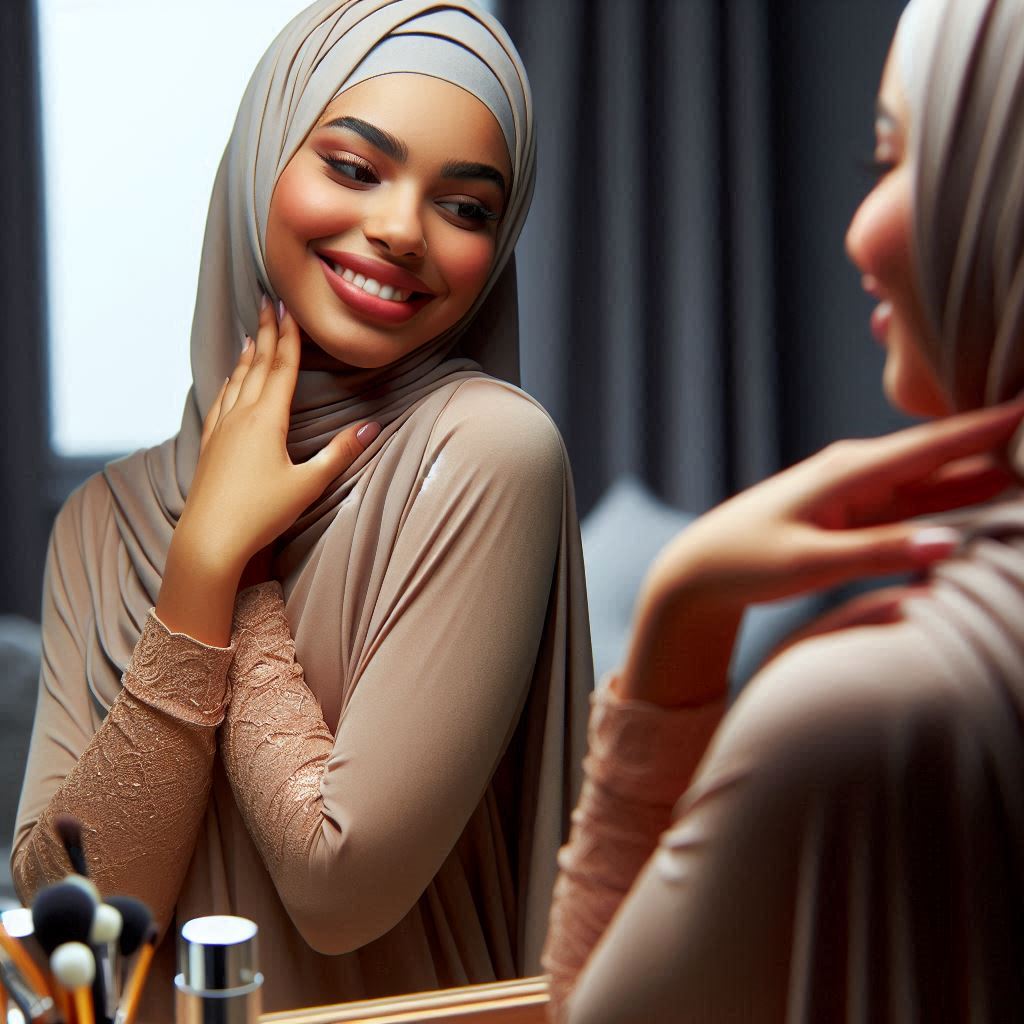
IIn Islam, beauty is not confined to physical appearance; it encompasses inner beauty, modesty, and spirituality. Inner beauty is reflected through good character, kindness, and piety. Modesty in dress, speech, and behavior is highly valued, as it reflects self-respect and adherence to Islamic principles. Spiritual beauty, or nūr, is the inner light that emanates from a person’s faith and good deeds. The Quran and Hadith emphasize that beauty is a divine blessing that reflects a person’s closeness to Allah (SWT). In Surah Al-Ahzab, Allah (SWT) says, “And speak to them honorable words” (Quran 33:32), emphasizing the importance of inner beauty through good speech and character. The Prophet Muhammad (PBUH) said, “Allah is beautiful and loves beauty” (Sahih Muslim), highlighting the significance of beauty in Islam.
Accordingly, one must not mistake worldly appearance powered by corporate greed that plays on female insecurities to monetize it with Allah’s blessings. The simple fact that each of us was created by the Ultimate Perfection should teach us the divine essence that is within us. Social media is nothing but an engine, a tool that should not be used to proliferate misconduct and spread sins. It is important to remember that, similar to good deeds that follow us in our graves, sins have similar impacts. Certain sins, such as outrageously displaying one’s beauty or using social media as a megaphone to trash an ex-husband, are not appropriate. While amplifying one’s beauty on social media may initially seem like a great strategy to garner income or build wealth, we must be mindful of how we earn our income and ensure it is pleasing to Allah (SWT).
How Sins Destroy Both Inner and Outer Beauty
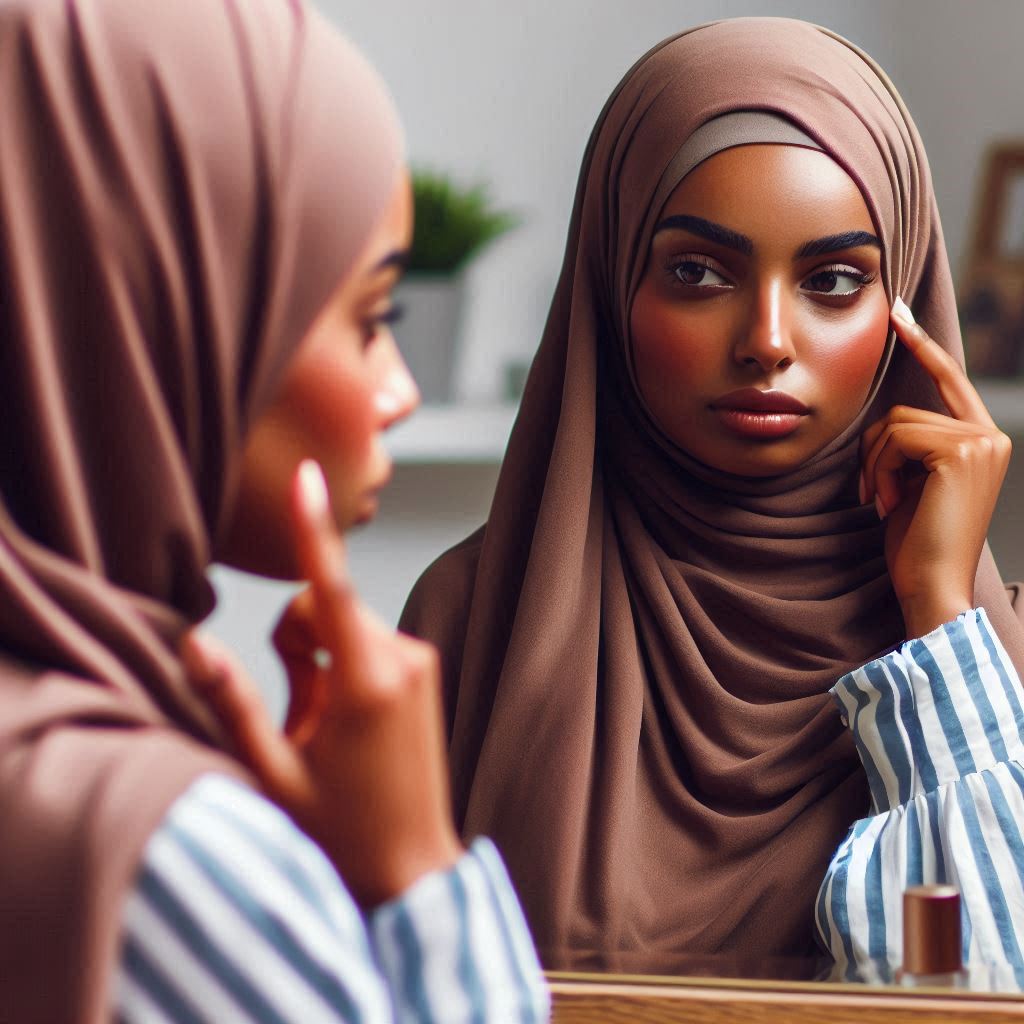
Absolutely, sins can indeed have a profound impact on both inner and outer beauty. They corrupt the soul, create enmity, and rob a person of their nūr (light). Sinful behavior weakens faith, dims the spiritual light of the believer, and tarnishes inner beauty. The accumulation of sins can lead to physical manifestations of stress, anxiety, and a lack of peace, which further impact one’s outer beauty. The paradox is that beauty, often touted on social media, offers a mirage of wealth that is neither sustainable nor maintainable.
By exploring common sins that impact the beauty of Muslim women and providing ways to avoid them, we can better understand the importance of maintaining a pure and righteous life, which is the only credible way to maintaining a sustainable lifestyle that is pleasing to Allah (SWT).
Top 10 Sins That Destroy Beauty
All of us commit sins. Some of us repent, and many of us try to stay away from sinful acts that could cost us Jannah. Accountability is a stepping stone to change, and learning from our modern scholars can educate us on practices that are prohibited or disliked. This section explains the most common sins that impact the spiritual and physical beauty of Muslim women and provides ways to avoid them.
1. Backbiting and Gossip
Definition: Speaking ill of others behind their backs.
Impact: Backbiting and gossip corrupt the soul, create enmity, and rob one of their nūr. These actions lead to distrust and conflict, damaging relationships and one’s inner peace.
Evidence:
- “Do not backbite one another. Would any of you like to eat the flesh of his brother when dead? You would detest it.” (Quran 49:12)
- Prophet Muhammad (PBUH): “Whoever protects his tongue, Allah will protect him.”
Solution: To avoid backbiting and gossip, practice silence, avoid unnecessary conversations, and engage in dhikr (remembrance of Allah). Focusing on positive speech and remembering the consequences of harmful words can help maintain inner peace and beauty.
2. Neglecting Mandatory Acts (Salah and Fasting)
Impact: Neglecting mandatory acts like Salah and fasting weakens faith and dims the spiritual light of the believer. Regular worship is essential for maintaining a strong connection with Allah and nurturing one’s inner beauty.
Evidence: Salah as a purifier: “Indeed, prayer prohibits immorality and wrongdoing.” (Quran 29:45)
Solution: Prioritize time management and reflect on the rewards of consistent worship. Creating a routine that incorporates regular prayer and fasting can help maintain spiritual strength and inner beauty.
3. Free Mixing Between Genders
Definition: Engaging in non-mahram interactions beyond Islamic boundaries.
Impact: Free mixing leads to fitnah (temptation) and weakens hayya (modesty). It can create inappropriate attachments and lead to sinful behavior.
Evidence: “Do not approach zina.” (Quran 17:32)
Solution: Establish clear boundaries and seek environments that align with Islamic values. Avoid situations that may lead to inappropriate interactions and maintain modesty in all interactions.
4. Loss of Modesty in Social Media Usage
Definition: Posting inappropriate content or seeking validation online.
Impact: Loss of modesty in social media usage leads to arrogance, envy, and neglect of inner spirituality. It can create unrealistic expectations and contribute to feelings of inadequacy.
Solution: Use social media mindfully, prioritize modesty, and limit screen time. Focus on positive content and engage in activities that strengthen your faith and inner beauty.
5. Engaging with Riba (Interest)
Definition: Participating in interest-based financial systems.
Impact: Riba is one of the gravest sins and erodes the blessings in wealth. It can lead to financial instability and stress, which impact both inner and outer beauty.
Evidence: “Allah has permitted trade and forbidden riba.” (Quran 2:275)
Solution: Seek Islamic financial alternatives and educate oneself about halal investments. Avoid interest-based transactions and focus on ethical financial practices.
6. Working in Haram Environments
Definition: Jobs that involve prohibited activities such as alcohol sales, gambling, etc.
Impact: Working in haram environments removes barakah (blessings) from earnings and life. It can lead to feelings of guilt and stress, which impact inner peace and beauty.
Solution: Pursue halal career paths and trust in Allah’s provision (rizq). Seek employment that aligns with Islamic values and principles.
7. Zina (Non-Marital Relations)
Definition: Premarital or extramarital relationships.
Impact: Zina devastates spiritual purity and leads to emotional and societal harm. It can create feelings of guilt and stress, impacting both inner and outer beauty.
Solution: Strengthen taqwa (God-consciousness) and seek halal ways to fulfill companionship needs. Avoid situations that may lead to zina and maintain strong moral principles.
8. Disrespecting Authority or Parents
Definition: Being ungrateful or rebellious toward parents and leaders.
Impact: Disrespecting authority or parents leads to strained relationships and a lack of inner peace. It can create feelings of guilt and regret, impacting inner beauty.
Evidence: “And We have enjoined upon man [care] for his parents.” (Quran 29:8)
Solution: Practice patience, gratitude, and kindness. Show respect and appreciation for parents and authority figures, and seek to maintain positive relationships.
9. Neglecting Hayya (Modesty)
Definition: Lack of modesty in speech, actions, or dress.
Impact: Neglecting hayya leads to a loss of self-respect and inner peace. It can create feelings of guilt and inadequacy, impacting both inner and outer beauty.
Evidence: The Prophet (PBUH) said, “Modesty is part of faith.”
Solution: Develop mindfulness about actions and prioritize Islamic modesty principles. Focus on maintaining modesty in all aspects of life, including dress, speech, and behavior.
10. Harboring Jealousy or Envy
Definition: Resenting others’ blessings.
Impact: Harboring jealousy or envy consumes good deeds and disrupts peace. It can create feelings of bitterness and dissatisfaction, impacting inner beauty.
Solution: Practice gratitude and supplicate for others’ success. Focus on your own blessings and seek contentment in what Allah has provided.
Scholarly Perspectives on Beauty and Nūr
Islamic scholars have provided profound insights into the concept of beauty and nūr, emphasizing the importance of inner beauty and spiritual light.
Islamic Scholars’ Views on Beauty
Ibn Taymiyyah: He emphasized that the heart’s purity is the essence of true beauty. He believed that a pure heart reflects a person’s inner light and spiritual beauty.
Imam Al-Ghazali: He emphasized the connection between character and spiritual radiance. He believed that good character and virtuous actions enhance a person’s nūr and inner beauty.
Mufti Menk: He encourages modesty and inner confidence. He highlights the importance of maintaining a strong connection with Allah and focusing on inner beauty rather than external appearances.
Omar Suleiman: He highlights how acts of worship enhance nūr. He emphasizes that regular prayer, fasting, and good deeds brighten the soul and reflect a person’s inner light.
Female Scholars’ Contributions
Female Islamic scholars have also contributed to the understanding of beauty in Islam. They emphasize the role of modesty, intellect, and spirituality in defining beauty. Their insights highlight the importance of inner beauty and spiritual light in maintaining a strong connection with Allah and enhancing one’s natural beauty.
Dr. Haifa Younis: “The best woman is the one whose focus in life is on her Creator.” “Allah is asking us to hold firmly to Him. However, often we don’t know what this actually means, and how to apply this to our daily lives.”
Ustadha Maryam Amir: “One’s pursuit of knowledge is a vital part of their deen. The Prophet (saw) said: ‘Whoever takes a path upon which to obtain knowledge, Allah makes the path to Paradise easy for him.’” (at-Tirmidhi 2646)
Dr. Ingrid Mattson: “Beauty in Islam is not just about physical appearance but about the beauty of the soul, which is reflected in one’s actions and character.”
Dr. Amina Wadud: “True beauty is found in the heart and soul, and it is through our actions and intentions that we reflect that beauty.”
The Relationship Between Nūr and Iman
Nūr, or spiritual light, is a concept deeply rooted in Islamic teachings. It represents the inner light that emanates from a person’s faith and good deeds. Nūr is also the spiritual light that reflects a person’s closeness to Allah and adherence to Islamic principles. It is the inner radiance that comes from faith, good character, and righteous actions.
Quranic Evidence “Allah is the Light of the heavens and the earth. The example of His light is like a niche within which is a lamp; the lamp is within glass, the glass as if it were a pearly [white] star lit from [the oil of] a blessed olive tree, neither of the east nor of the west, whose oil would almost glow even if untouched by fire. Light upon light. Allah guides to His light whom He wills. And Allah presents examples for the people, and Allah is Knowing of all things.” (Quran 24:35)
This verse highlights the divine nature of nūr, illustrating that Allah is the ultimate source of light and guidance. Just as physical light illuminates darkness, spiritual light illuminates the soul, guiding it towards righteousness and closeness to Allah.
Relationship with Iman Nūr and iman (faith) are deeply interconnected. Acts of worship, such as salah (prayer) and fasting, enhance nūr and brighten the soul. Each act of devotion strengthens one’s faith, which in turn increases their spiritual light. This relationship is symbiotic: as nūr grows, it further strengthens iman, creating a cycle of spiritual growth and inner beauty.
Conversely, sinful behavior dims this light and tarnishes inner beauty. Engaging in acts that are displeasing to Allah creates spiritual darkness, weakening faith and diminishing nūr. Maintaining a strong connection to Islamic practices and avoiding sins are essential for preserving this divine light.

Tips to Enhance Beauty Without Adhering to Modern Standards
- Strengthen Your Relationship with Allah: Pray consistently, fast regularly, and engage in dhikr. These acts of worship increase your nūr and bring you closer to Allah.
- Embrace Modesty: Choose clothing and behavior that reflect dignity and self-respect. Modesty is a key component of inner and outer beauty in Islam.
- Practice Gratitude: Recognize your blessings and focus on self-improvement. Gratitude enhances inner peace and radiance.
- Avoid Comparing Yourself to Others: Seek validation through Allah, not societal standards. Remember that true beauty is defined by your relationship with Allah and your good character.
- Care for Your Health Holistically: Eat halal when possible, exercise regularly, and prioritize mental well-being. A healthy lifestyle complements your inner spiritual beauty.
My sisters – Sins have a destructive impact on both inner and outer beauty, tarnishing the spiritual light that reflects one’s closeness to Allah. By understanding the relationship between nūr and iman, and by avoiding common sins, Muslim women can maintain their divine beauty. Embracing an Islamic perspective on beauty, prioritizing acts of worship, and adhering to Islamic values will ensure that both inner and outer beauty are preserved and enhanced. True beauty stems from the heart and one’s relationship with Allah, and focusing on eternal success and inner radiance will always surpass fleeting worldly standards.
 BarakaBelle
Leave a comment